People often use the words sweep and inspection as if they mean the same thing, but they describe two different jobs. Knowing the difference helps you book the right service and understand what you are paying for.
Knowing the difference helps you ask for the right service. If you want the full picture on inspections, our guide to chimney inspection levels 1, 2, and 3 breaks them down, and the U.S. Fire Administration underscores why regular heating-system care matters. See our chimney inspection service.
What a chimney sweep does
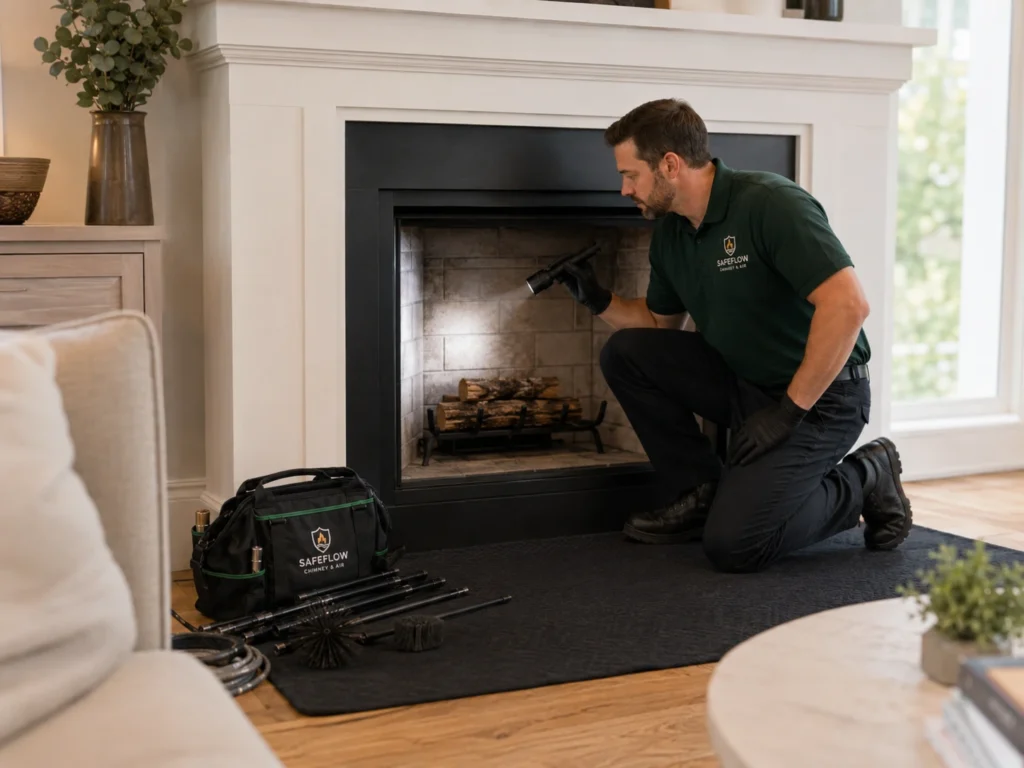
A sweep is the cleaning. Using brushes and a HEPA vacuum, a professional removes creosote and soot from the accessible flue and firebox. The point is to clear the flammable buildup that collects when you burn wood, which helps reduce the risk of a flue fire and supports a cleaner draft. A good chimney sweep is clean and contained, so soot stays out of your living space.
What a chimney inspection does
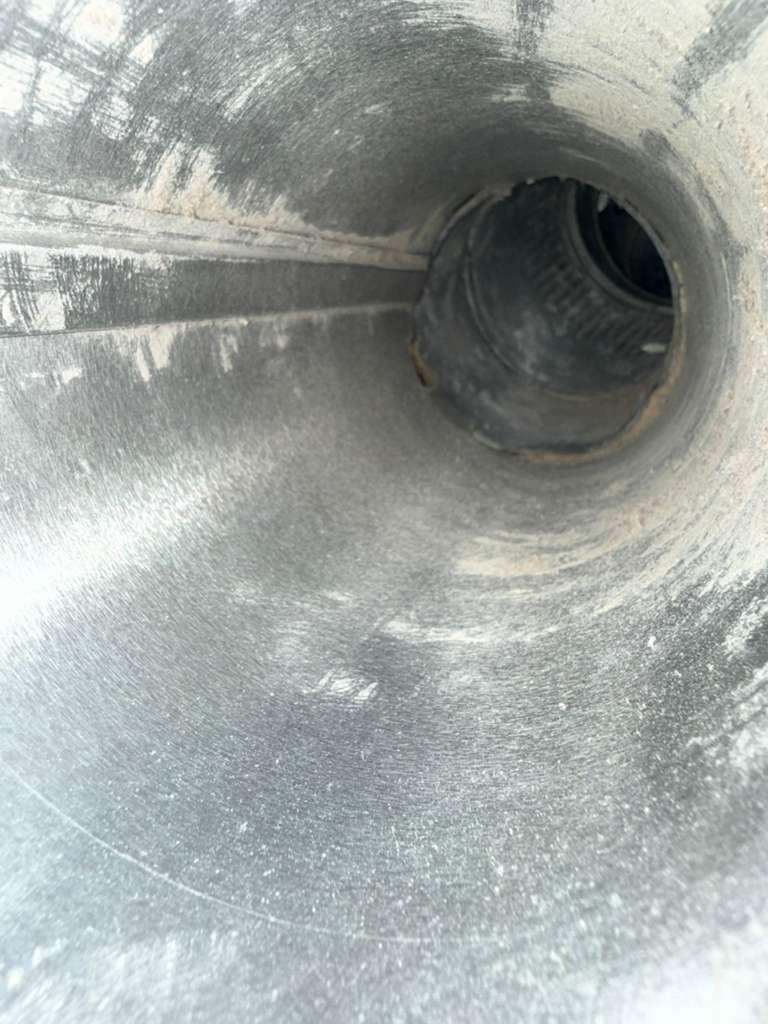
An inspection is the assessment. A visual chimney inspection examines the firebox, damper, flue, and the visible parts of the chimney to report on their condition. It does not remove buildup. Instead, it helps identify visible concerns such as heavy creosote, blockages, animal nests, or a weak draft, so you know what is going on before you light the next fire. Think of the sweep as the action and the inspection as the information.
Do you need both?
For most homes that burn wood, the answer is yes, and they often happen in the same visit. The safety principles published by the National Fire Protection Association point to a yearly inspection, with a sweep whenever buildup is present. Pairing the two means the flue is both clear and checked in one appointment.
When you mainly need a sweep
- You burn often and know creosote has built up since the last cleaning.
- You notice a tarry smell or smoke drawing poorly.
- It has been a year or more and the fireplace sees regular use.
When an inspection is the priority
- You just bought a home and do not know the chimney history.
- You have not used the fireplace in a long time.
- You had a strong storm, a nearby tree issue, or signs of animals in the flue.
- Something changed in how the fireplace drafts or smells.
How the two work together
The most efficient approach is an annual visit that combines both. The inspection tells the sweep where buildup is worst and flags anything to watch, and the chimney cleaning removes what should not be there. You finish with a clear picture of the chimney and a flue that is ready for the season.
Local notes for Montgomery County
Older homes in places like Bethesda and Wheaton often have masonry chimneys with clay flue tiles that have served for decades. The humid Mid Atlantic climate adds moisture stress over the summer, so a yearly inspection paired with a sweep is a sensible habit. It keeps you informed about the condition of the chimney and supports safer performance through the cold months without guesswork.
What a visual inspection looks at
A visual inspection is methodical. The technician examines the firebox for cracks and wear, checks that the damper opens, closes, and seals, and looks up into the accessible flue for creosote, blockages, or daylight where it should not be. From the ground, the visible portions of the chimney and the area around the cap are checked for obvious issues. The draft is observed to confirm the flue is pulling air the way it should. The result is a clear picture of the condition of the system, with notes on anything worth watching.
What a sweep handles, and what it does not
A sweep is focused and practical, since it removes creosote and soot so the flue is clear and ready to use. It is not a structural service, and it does not claim to be. When an inspection turns up a concern beyond cleaning, the value is in knowing about it early, so you can plan calmly rather than react to a surprise in the middle of winter. Cleaning and information work hand in hand.
Building a simple annual habit
The easiest approach for most homeowners is to treat the sweep and inspection as a single yearly appointment, booked in late summer or early fall. That one visit keeps the flue clear, gives you an updated read on its condition, and gets ahead of the seasonal rush. Homeowners in Rockville and across the county find that this rhythm takes the guesswork out of fireplace care. Pair it with dry firewood and attention to how the fire drafts, and you have a system that is easy to keep in good shape.
Questions worth asking
When you book, ask whether the visit includes both a sweep and an inspection, what the report will cover, and how the team keeps your home clean during the work. Clear answers up front are a good sign, and they help you know exactly what you are getting.
Common misunderstandings
A few myths cause people to skip the care their chimney needs. Some assume a fireplace that looks clean does not need a sweep, but creosote forms inside the flue where you cannot see it. Others believe an inspection alone keeps the chimney safe, when in fact the inspection only reports and the sweep does the cleaning. A few think a rarely used fireplace needs nothing at all, yet animals, moisture, and debris still affect an idle flue. Clearing up these misunderstandings leads to one simple takeaway, that a yearly visit covering both the look and the cleaning sidesteps all of them at once. When you treat the sweep and the inspection as partners rather than competitors, the whole system stays both clear and understood, which is exactly what safe, comfortable fireplace use depends on.