Chimney Inspection

Chimney Inspection

SafeFlow Chimney & Air provides chimney inspection services for Maryland homeowners who need clear answers before using, buying, selling, or maintaining a fireplace system. We review visible chimney conditions, flue access points, draft concerns, moisture indicators, blockage signs, and fireplace safety concerns so you can understand the next step with confidence.

Flue Condition, Draft Concerns & Fireplace Safety

Know What Is Happening Inside Your Chimney Before You Use It

A fireplace can look ready from the outside while the chimney system has hidden concerns that deserve attention. Moisture staining, soot buildup, creosote, loose debris, animal nesting, draft restriction, damaged components, or an unknown service history can all affect whether the system should be used without a closer review.

SafeFlow Chimney & Air provides chimney inspection for Maryland homeowners who want clear information before fireplace season, before buying or selling a home, or after noticing smoke, odor, staining, falling debris, or draft problems. If the system mainly needs chimney cleaning, we explain that clearly. If the visible condition suggests a deeper concern, we help you understand why further review may be appropriate.

Chimney inspection is different from seasonal chimney maintenance. Maintenance helps homeowners stay ahead of recurring care, while inspection focuses on the current visible condition of the fireplace, flue, chimney structure, venting pathway, and safety indicators before continued use.

Because SafeFlow also works with dryer vent cleaning, air duct cleaning, and indoor air quality support, we approach venting and airflow concerns with a broader home system perspective.
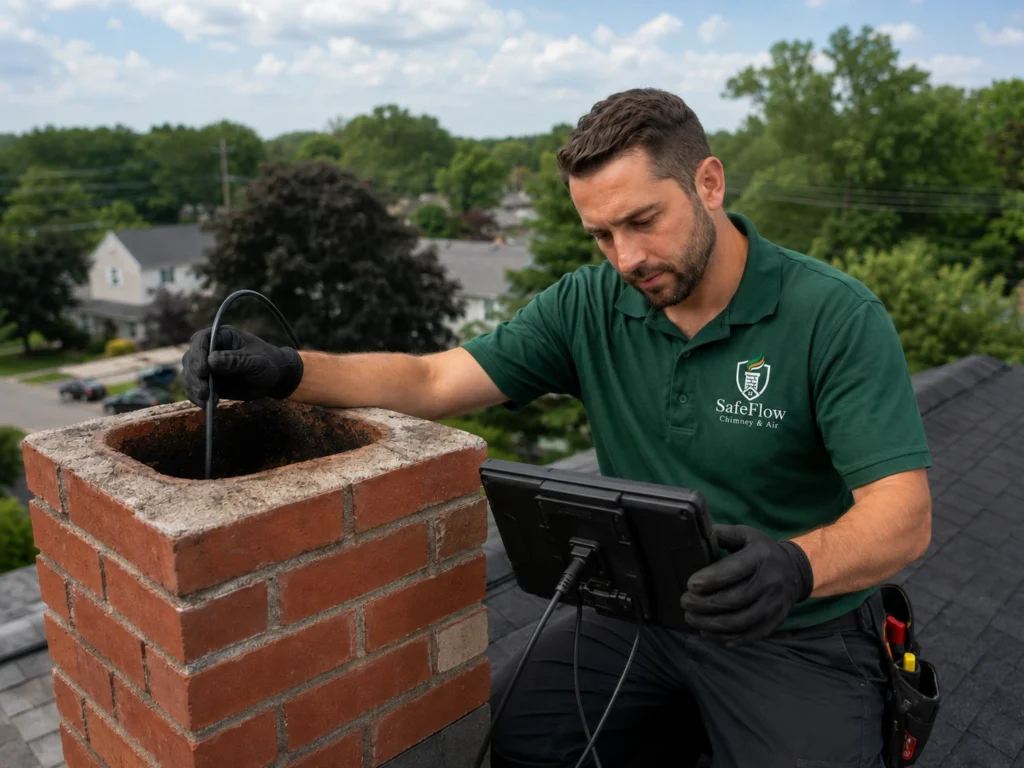
SafeFlow technician inspecting a chimney flue with a camera probe in Maryland

How We Work

How SafeFlow Reviews Your Chimney System

Our chimney inspection process is designed to give homeowners clear, practical information. We review accessible and visible system areas, identify signs of concern, explain what we see, and help determine whether cleaning, maintenance, or further evaluation may be the right next step.

DIAGNOSTIC AUDIT

We review the fireplace, firebox, damper area, accessible flue opening, chimney exterior indicators when available, and visible signs of moisture, soot, creosote, blockage, staining, deterioration, or draft concern.

01

DEFINE THE METHOD

We explain what can be observed during the inspection, what signs are visible, and whether the situation appears to call for basic review, cleaning, maintenance, or a more detailed chimney evaluation.

02

EXECUTE THE SERVICE

We perform a careful visual chimney review using accessible observation points and, when appropriate, chimney camera support to better understand visible fireplace and flue conditions.

03

Verify & Document

After the inspection, we explain the visible findings, whether chimney cleaning may be needed, and whether any condition should be reviewed further before continued fireplace use.

04

Our Projects

REAL WORK, CLEAR RESULTS

Explore real SafeFlow service examples from Maryland homes, including chimney, dryer vent, and air duct work completed with careful preparation, clear findings, and practical next steps for homeowners.

SafeFlow Chimney & Air - CHIMNEY CLEANING​​​​ SERVICE

Breathing New Life Into a Failing Chimney: A Completed Restoration in Upper Marlboro, MD

Upper Marlboro, MD

SafeFlow Chimney & Air - CHIMNEY CLEANING​​​​ SERVICE

Chimney Teardown and Reconstruction in Lanham, MD

Lanham, MD

SafeFlow Chimney & Air - CHIMNEY CLEANING​​​​ SERVICE

Expert Chimney Crown Rebuilding and Sealing in Rockville, MD

Rockville, MD

Why SafeFlow

Why Choose SafeFlow for Chimney Inspection in Maryland

SafeFlow Chimney & Air approaches chimney inspection with one clear purpose: to help Maryland homeowners understand the visible condition of their fireplace and chimney system before making decisions. A homeowner should not have to guess whether smoke odor, moisture staining, poor draft, debris, or unknown service history is something routine or something that deserves closer attention. Our inspection process is built around clarity. If the system mainly needs chimney cleaning, we explain that. If the chimney would benefit from a stronger maintenance plan, we make that clear as well. If visible conditions suggest a more serious concern, we communicate it carefully and directly without scare tactics or pressure-based selling. Inspection also matters because the chimney is part of a larger home venting environment. SafeFlow provides related services such as dryer vent cleaning, air duct cleaning, and indoor air quality support, giving us a broader understanding of airflow, obstruction, lint, dust, soot, and odor concerns inside Maryland homes. We keep the process practical, professional, and homeowner-focused. You receive clear findings, plain-language explanations, and next steps that match what is actually visible during the inspection.

System-Focused Specialists

Focused chimney, vent, and indoor air system care designed around real residential conditions, airflow concerns, buildup, and practical home safety.

Clean Controlled Service

Protective setup, careful work methods, and clean service habits help keep the home respected while the system is reviewed, cleaned, or serviced.

Clear Findings

We explain visible conditions, what was completed, and whether any next step may be recommended, without pressure, scare tactics, or vague claims.

Upfront Estimates

Clear service guidance before work begins, with straightforward recommendations based on the condition, access, and needs of the home.

MARYLAND CHIMNEY & AIR SYSTEM CARE

BRING SAFEFLOW INTO YOUR HOME WITH CONFIDENCE.

Whether you are dealing with chimney buildup, fireplace odor, dryer vent lint, dirty air ducts, or airflow concerns, SafeFlow Chimney & Air helps Maryland homeowners get clear answers, careful service, and practical next steps.

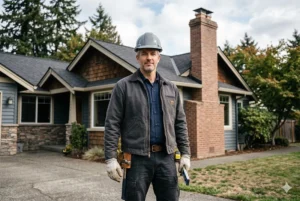
Chimney Technician -SAFEFLOW

Questions, answered

Helpful answers for Maryland homeowners considering chimney, dryer vent, or air duct service, with clear guidance on warning signs, service timing, process, and practical next steps.

You should schedule a chimney inspection before heavy fireplace use, after buying a home, after a chimney-related issue, when you notice smoke or odor, or when the chimney has not been inspected recently. Inspection helps identify visible concerns before continued use.
A chimney inspection looks for visible signs of soot buildup, creosote, blockage, moisture staining, flue concerns, damaged components, poor draft indicators, animal nesting, and other conditions that may affect fireplace safety or performance.
Chimney cleaning is needed when soot, creosote, ash, or debris should be removed. Chimney inspection is needed when the system condition is unknown, there are warning signs, or you want a clearer review before using the fireplace.
A Level 1 chimney inspection is typically a basic review of accessible chimney and fireplace components. A Level 2 inspection is more detailed and may be recommended after a property transfer, system change, damage event, or unresolved concern.
Yes. A chimney inspection before buying a house can help identify visible fireplace, flue, moisture, blockage, draft, or safety concerns before the homeowner relies on the system or faces unexpected service needs.
A Level 3 inspection is the most detailed and is used only when a Level 1 or Level 2 review points to a serious hidden concern. It may require reaching concealed areas to confirm a hazard such as a damaged liner or structural crack. Most homes never need one; it is reserved for genuine, evidence-based concerns.
A routine Level 1 inspection usually takes under an hour. A Level 2 inspection with camera-assisted review takes longer because of the added detail. We give you a realistic estimate up front and explain what we find in plain language before we leave.
It is strongly advised. A chimney inspection before a sale puts the flue’s real condition on record, which protects you as the seller and gives the buyer confidence. A Level 2 inspection is the usual choice for a real-estate transaction, since the home is changing hands.
It tells you the accessible condition of the flue, firebox, and venting, and flags buildup, blockage, or visible damage. If everything is clear and sound, you can burn with confidence. If we find a concern, we explain it and recommend the right next step.
Yes, though the two often go together. If heavy buildup blocks the view of the flue, a cleaning first gives a clearer inspection. We will tell you honestly whether a cleaning is needed to complete a proper assessment, rather than charging for both when only one is required.

Professional Equipment We Use

A good inspection is a careful look, not a guess. We bring the tools that let us see the true condition of your chimney and show you what we find.

What Is Included

  • A visual review of the accessible flue, firebox, damper, and venting
  • Camera-assisted review of the flue interior where it helps
  • A check for buildup, blockage, moisture, and visible damage
  • A plain-language explanation of what we found
  • A clear recommendation on cleaning or next steps

What Is Not Included

  • Any masonry, liner, or fireplace repair
  • Chimney cap or liner installation
  • Removal of major obstructions that require repair-level work
  • Certification of the chimney for insurance or legal purposes beyond a standard inspection report

An inspection identifies concerns; the repair itself is handled by a qualified specialist. We give you an honest record so you can make an informed decision.

Pricing Guidance

Inspection pricing depends on the level of inspection your situation calls for. A routine Level 1 visual check for a chimney in normal use is the most affordable. A Level 2 inspection with camera-assisted review — recommended for a home sale, after a chimney fire, or when the system changes — takes more time and detail. We match the level to your real need rather than upselling, and confirm the price before we start.

Seasonal Timing in Maryland

The National Fire Protection Association recommends a chimney inspection at least once a year. In Maryland the ideal window is late summer through early fall, before the heating season, so any concern is found while there is still time to address it before you burn. Home sales and post-storm checks can happen any time of year and often call for a more detailed Level 2 review.