Chimney Odor Removal

Chimney Odor Removal

A smell coming from your fireplace can make a whole room unpleasant, and it usually points to something worth addressing. SafeFlow Chimney & Air helps Maryland homeowners get rid of chimney odors by finding and clearing the source, so your fireplace and your home smell fresh again.

Getting To The Source

Why Chimneys Develop Odors

A chimney odor is almost always a symptom of something inside the chimney, and the smell tells a story. The most common cause is creosote buildup, which gives off a strong, tarry smell, especially in warm, humid weather when moisture reacts with the deposits. Moisture itself is another common cause, as rainwater entering through a damaged or missing cap creates a musty smell. Animals, or the debris and nests they leave behind, can also be a source. Because the odor points to a cause, the real solution is not to mask the smell but to clear what is producing it. Our approach starts with clearing the buildup and debris, which usually addresses the odor at its root. This often overlaps with a full chimney sweep.
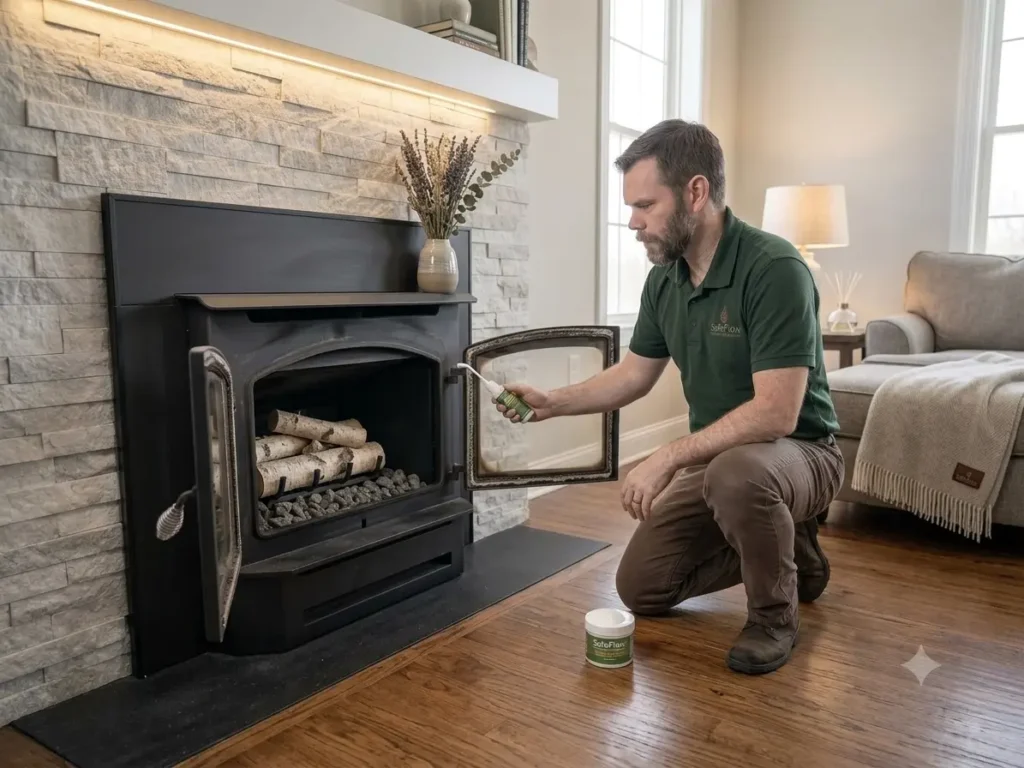
Chimney odor removal service in Maryland by SafeFlow Chimney & Air

How We Work

How We Address Chimney Odors

Removing an odor means finding and clearing its source. Here is our approach.

DIAGNOSTIC AUDIT

We look inside the chimney to identify what is producing the smell, whether it is creosote buildup, moisture, or animal debris, so we address the right thing.

01

DEFINE THE METHOD

We clear creosote and soot from the flue and chamber, which is the most common source of chimney odors, using a HEPA vacuum to contain everything.

02

EXECUTE THE SERVICE

We clear any debris or animal nests, and check whether moisture is getting in through the cap, since a musty smell often points to water entering the flue.

03

Verify & Document

With the source cleared, we confirm the chimney is clean and let you know what was causing the odor and how to keep it from returning.

04

Our Projects

REAL WORK, CLEAR RESULTS

Explore real SafeFlow service examples from Maryland homes, including chimney, dryer vent, and air duct work completed with careful preparation, clear findings, and practical next steps for homeowners.

SafeFlow Chimney & Air - CHIMNEY CLEANING​​​​ SERVICE

Breathing New Life Into a Failing Chimney: A Completed Restoration in Upper Marlboro, MD

Upper Marlboro, MD

SafeFlow Chimney & Air - CHIMNEY CLEANING​​​​ SERVICE

Chimney Teardown and Reconstruction in Lanham, MD

Lanham, MD

SafeFlow Chimney & Air - CHIMNEY CLEANING​​​​ SERVICE

Expert Chimney Crown Rebuilding and Sealing in Rockville, MD

Rockville, MD

Why SafeFlow

How to Keep Chimney Odors From Coming Back

The best way to prevent chimney odors is to keep the chimney clean and dry. Regular removal of creosote and soot addresses the most common source, since these deposits are what produce that strong, tarry smell, especially in humid Maryland summers. Keeping moisture out with a sound chimney cap prevents the musty smells that come from water entering the flue. Odors that return after cleaning often point to an ongoing moisture issue worth checking. A yearly sweep and a chimney inspection together are the most reliable way to keep your chimney fresh. SafeFlow serves Maryland homeowners, including Silver Spring, Germantown, and nearby communities.

System-Focused Specialists

Focused chimney, vent, and indoor air system care designed around real residential conditions, airflow concerns, buildup, and practical home safety.

Clean Controlled Service

Protective setup, careful work methods, and clean service habits help keep the home respected while the system is reviewed, cleaned, or serviced.

Clear Findings

We explain visible conditions, what was completed, and whether any next step may be recommended, without pressure, scare tactics, or vague claims.

Upfront Estimates

Clear service guidance before work begins, with straightforward recommendations based on the condition, access, and needs of the home.

MARYLAND CHIMNEY & AIR SYSTEM CARE

BRING SAFEFLOW INTO YOUR HOME WITH CONFIDENCE.

Whether you are dealing with chimney buildup, fireplace odor, dryer vent lint, dirty air ducts, or airflow concerns, SafeFlow Chimney & Air helps Maryland homeowners get clear answers, careful service, and practical next steps.

Chimney Technician -SAFEFLOW

Questions, answered

Helpful answers for Maryland homeowners considering chimney, dryer vent, or air duct service, with clear guidance on warning signs, service timing, process, and practical next steps.

The most common causes are creosote buildup, which gives off a strong tarry smell, and moisture entering through a damaged cap, which creates a musty smell. Animal debris can also be a source. The odor points to something worth clearing.
Warm, humid weather makes creosote odors stronger, as moisture in the air reacts with the deposits inside the chimney. This is why many Maryland homeowners notice chimney smells most in the summer months.
Masking the smell does not solve the problem, because the odor comes from something inside the chimney. The lasting solution is to clear the source, usually creosote buildup, moisture, or debris.
In most cases, yes. Since creosote buildup is the most common source of chimney odor, a thorough chimney sweep that clears it usually addresses the smell at its root.
An odor that returns often points to an ongoing moisture issue, such as water entering through the cap. A chimney inspection can help identify whether moisture is the cause.
Moisture, animal debris, and old ash all add to chimney odors along with creosote. Damp masonry in the humid Mid-Atlantic climate often makes existing residue smell stronger.
Yes. Water entering an uncapped or damp chimney reacts with creosote and debris, which is why odors often intensify after rain or in humid weather. Addressing moisture and buildup together gives the best result.
A properly fitted cap keeps rain, animals, and debris out, which are common sources of odor. We clean and clear the chimney; if a cap is missing or damaged, we recommend a qualified professional to add one.
It can be. A strong, persistent odor may point to heavy creosote, moisture intrusion, or animal debris that also affect safety and draft. A cleaning and inspection identify the source rather than just the smell.
Once the source is removed by a thorough cleaning, the odor usually eases noticeably. If moisture is involved, keeping the chimney dry and capped helps keep it from returning. For broader home fire-safety guidance, see the U.S. Fire Administration.