
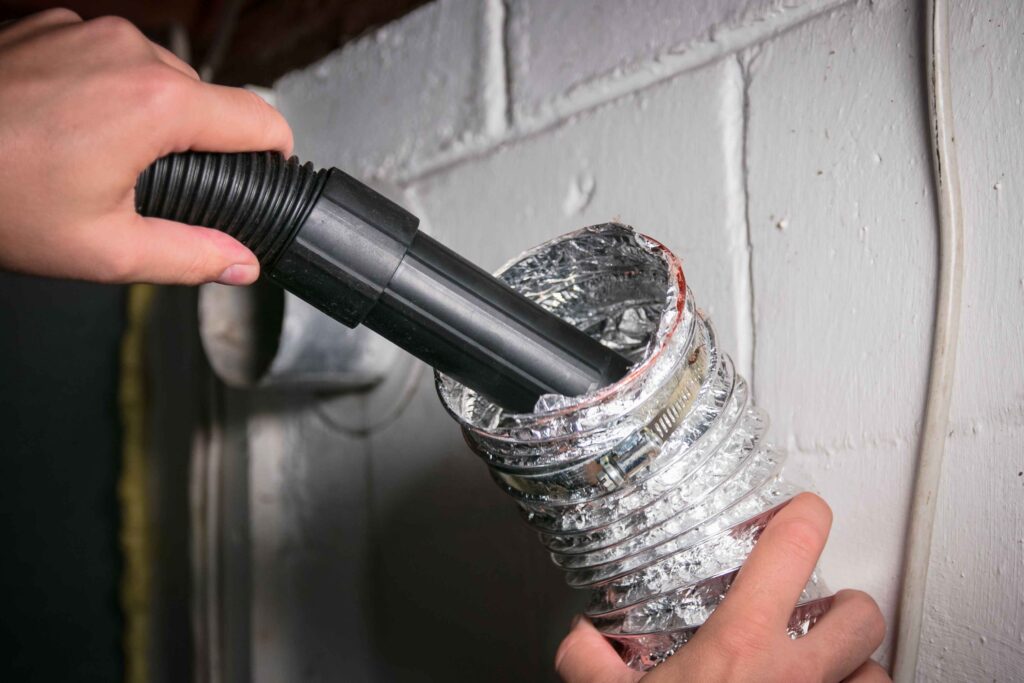


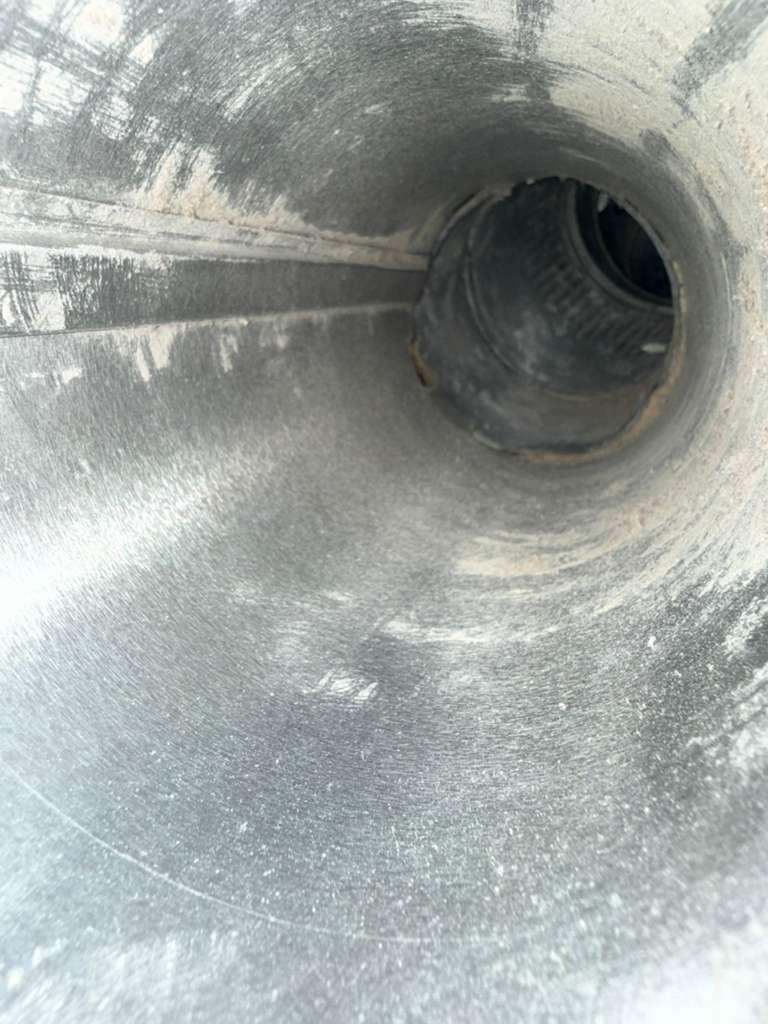

The lint trap is only the first line of defense. Plenty of lint slips past it and gathers along the vent that carries warm, damp air outside. Cleaning that vent on a regular schedule protects your dryer and helps reduce a genuine fire risk.
Regular cleaning is a safety habit, not just a maintenance one. The U.S. Fire Administration links lint buildup to home dryer fires, which is why we cover how dryer vent cleaning reduces fire risk in more detail. When it is time, our dryer vent cleaning clears the full line.
The baseline: at least once a year
For most households, cleaning the dryer vent once a year is the sensible minimum. Over a year of normal use, enough lint accumulates to slow airflow, make the dryer work harder, and create a hazard. An annual dryer vent cleaning clears that buildup and keeps the dryer running efficiently.
When to clean more often
Move to a shorter schedule, sometimes twice a year, if any of these describe your home:
- A large or busy household. More loads of laundry mean more lint, faster.
- A long or winding vent run. Homes where the dryer sits far from an exterior wall, or where the duct bends several times, trap more lint along the way.
- Frequent drying of heavy items. Towels, bedding, and pet bedding shed a lot of lint.
- An older home with original ductwork. Longer, tighter runs in established homes hold more buildup.
Why it matters so much
Lint is highly flammable, and a clogged vent traps both heat and moisture. That combination is a leading cause of dryer fires, and in our humid climate the trapped dampness also encourages buildup to pack together. Beyond safety, a blocked vent makes the dryer run longer and hotter, which wastes energy and wears out the appliance sooner. Regular cleaning supports safer performance and helps your dryer last.
Signs you should not wait
- Clothes take more than one cycle to dry.
- The dryer or the laundry feels unusually hot.
- You notice a burning or musty smell during a cycle.
- Lint collects around the dryer or the outside vent flap.
Any of these means the vent likely needs attention now, regardless of the calendar.
A note for Montgomery County homes
Many homes across the county, from Wheaton and Kensington to Germantown, have laundry rooms set away from exterior walls, which means longer vent runs that collect lint over time. Townhomes in particular often route the duct through tight, winding paths. Those homes benefit from a regular schedule and a check whenever drying times start to creep up.
Setting your schedule
Start with once a year as the floor, then shorten it based on household size, vent length, and how much you dry. Clean the lint trap every load, and watch your drying times as an early warning. Together, those habits keep the vent clear, the dryer efficient, and your home safer through the year.
What happens during a dryer vent cleaning
A professional cleaning is quick and contained. The technician disconnects the dryer, clears the full length of the vent run with brushes sized to the duct, and removes the loosened lint rather than letting it scatter. The exterior vent and its flap are checked to confirm air moves freely, and the dryer is reconnected and tested. The whole visit is straightforward, and you can feel the difference in the next load, which dries faster and runs cooler.
Simple habits between cleanings
A few easy habits stretch the time between visits and keep things safe. Clean the lint trap before every load, since a clogged screen forces the dryer to work harder. Check the outside vent now and then to be sure the flap opens freely. Avoid overloading the dryer, which slows airflow, and watch your drying times as an early warning. None of this replaces a yearly cleaning, but together these habits keep the vent clearer for longer.
Gas and electric dryers
Both gas and electric dryers vent warm, moist, lint filled air outside, so both need a clear run. With gas dryers there is an added reason for care, since a blocked vent can affect how the appliance runs. Whatever your dryer type, a clear vent supports safer performance and better efficiency. Homes with long interior runs, common across the county from Wheaton to Germantown, benefit most from staying on schedule.
Why airflow is the whole point
Every recommendation here comes back to airflow. A dryer is designed to push warm, damp air out quickly, and anything that blocks that path makes it work harder, run hotter, and hold a fire risk. Keeping the vent clear is simply keeping that path open. A regular dryer vent cleaning does exactly that, which is why once a year is the floor for most homes.
Common dryer vent mistakes
A handful of habits quietly raise the risk. Skipping the lint trap between loads forces the dryer to work harder and sends more lint into the vent. Using a flexible foil or plastic duct, which sags and traps lint, instead of a smooth rigid run makes clogs far more likely. Overloading the dryer slows airflow and lengthens cycles. Ignoring rising drying times lets a small clog grow. And assuming the lint trap alone keeps the vent clear overlooks all the lint that slips past it. Avoiding these mistakes, paired with a yearly cleaning, keeps the vent clear and the dryer running the way it should. If you only remember one thing, let it be this, watch your drying times, since a load that suddenly needs two cycles is the clearest early warning a vent can give.