
The best time to think about your fireplace is before you need it. A little preparation in early fall means a warm, reliable fire when the cold arrives, and far fewer surprises. Here is a simple checklist for Montgomery County homes.
Heading into the cold season with a clean, sound chimney is the safest way to burn. The U.S. Fire Administration treats heating equipment as a major home fire cause. Our guide to creosote and how to prevent buildup explains what to watch for, and a pre-season chimney inspection confirms the system is ready.
1. Book your sweep and inspection early
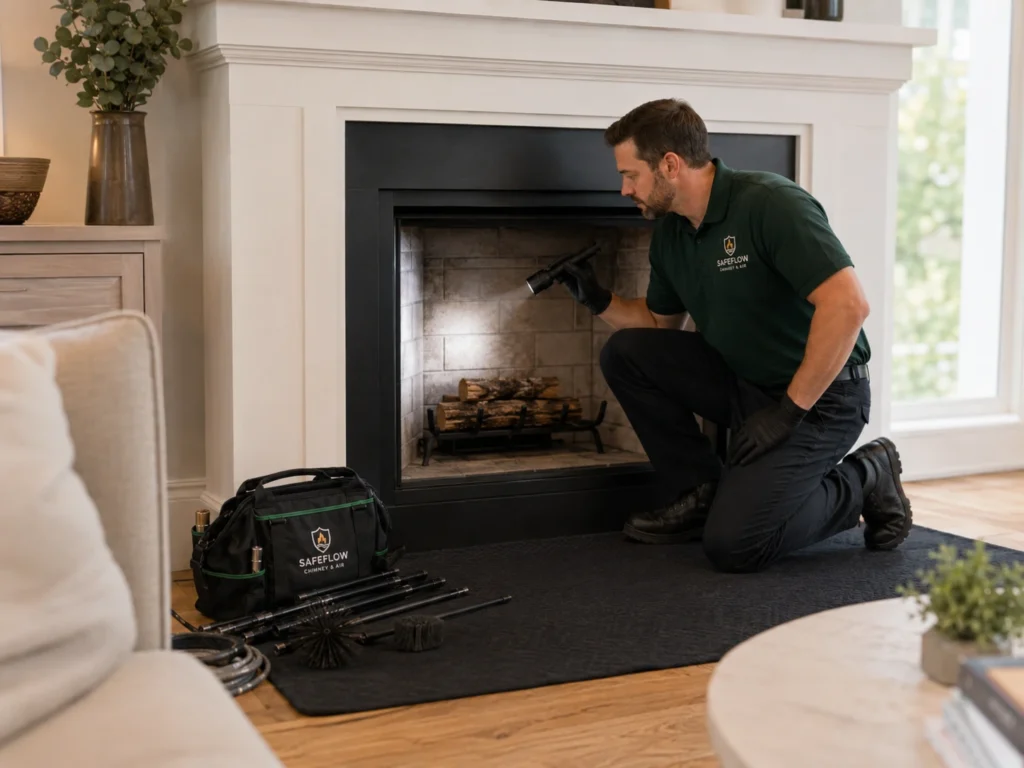
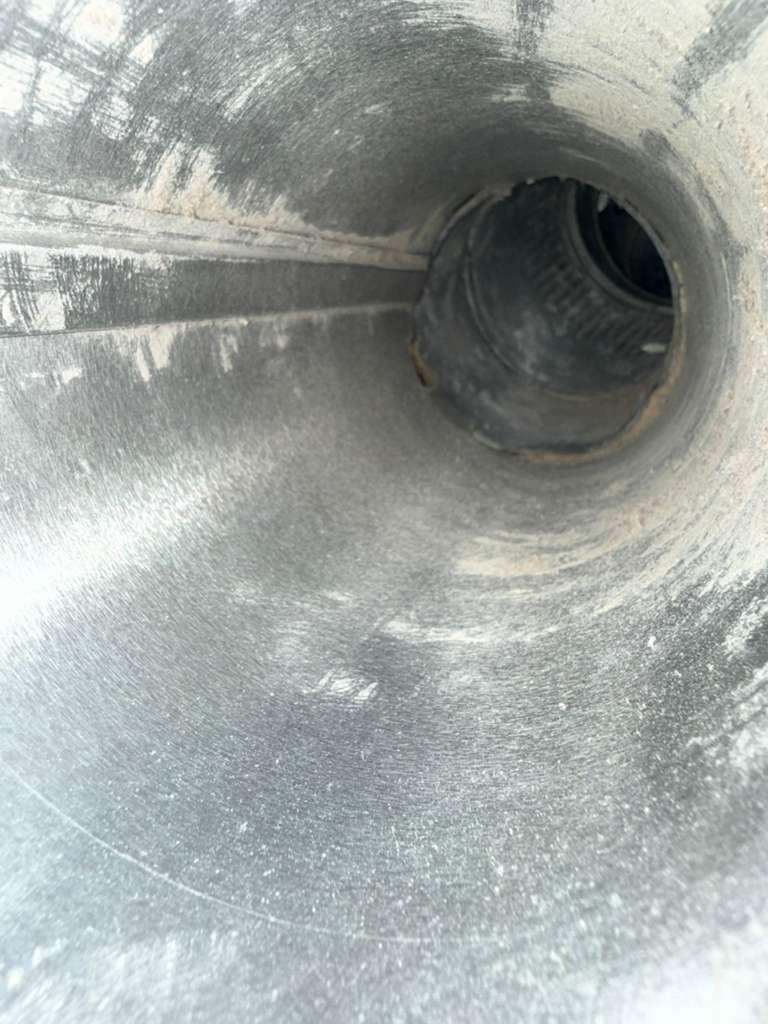
Appointments fill quickly once the temperature drops, so schedule in late summer or early fall. A combined visit with a chimney sweep and a visual chimney inspection clears creosote and reports on the condition of the flue at the same time. Getting this done early means your fireplace is ready the moment you want it.
2. Season your firewood
Dry wood is the single easiest way to burn cleaner. Wood that has dried for at least six months to a year burns hotter and leaves less creosote, while damp wood smolders and coats the flue. Store wood off the ground and covered on top, with the sides open so air can move through it.
3. Test the damper and draft
Open and close the damper to be sure it moves freely and seals fully. Then check the draft: with the damper open, hold a lit match or stick of incense near the firebox opening and watch that the smoke is drawn up the flue. If it drifts into the room, the flue may be cold or blocked, and it is worth a closer look before you build a full fire.
4. Look for the obvious from the ground
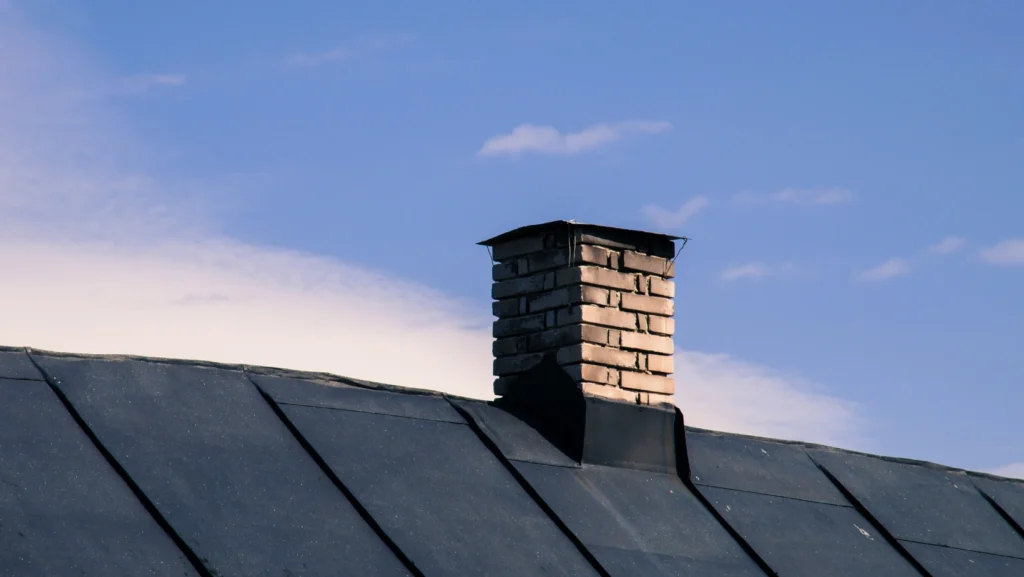
You do not need to climb the roof. From the yard, glance at the top of the chimney for an obvious nest, heavy debris, or a leaning cap. Inside, check the firebox for flaking deposits and the hearth area for clearance. Anything unusual is a good reason to have it checked by a professional rather than guessing.
5. Check your carbon monoxide and smoke alarms
Test every alarm and replace batteries before the burning season. Carbon monoxide is odorless, so working alarms are an essential layer of protection any time you burn fuel indoors. Place a carbon monoxide alarm near sleeping areas.
6. Clear the hearth and surroundings
Move rugs, furniture, and anything flammable well back from the firebox opening. Keep a hearth gate in mind if you have young children or pets. A clean, clear space around the fireplace supports safer use all season.
Why the timing matters in our climate
The humid Mid Atlantic summer pushes moisture into masonry, and our long cold season means months of steady burning. Older homes across the county, from Silver Spring and Bethesda to Rockville, Wheaton, and Gaithersburg, often have clay lined masonry chimneys that benefit from a yearly reset before the first fire. Getting ahead of the season is the difference between a smooth winter and a scramble.
Your quick fall checklist
- Schedule a combined sweep and visual inspection early.
- Confirm your firewood is dry and well seasoned.
- Test the damper and check the draft.
- Glance at the chimney top and firebox for anything obvious.
- Test carbon monoxide and smoke alarms.
- Clear flammable items away from the hearth.
Run through this list once each fall and a chimney cleaning becomes part of a simple seasonal routine that helps reduce avoidable risk and keeps your home warm when it counts.
What to do on the first fire of the season
Even after preparation, treat the first fire gently. Start with a small, hot fire using dry kindling and a few pieces of seasoned wood, and watch how the smoke draws. A brief puff of odor as the system warms is normal, but smoke entering the room is not, and it means you should stop and check the flue. A small first fire lets you confirm the draft is working before you build a full evening blaze.
Wood stoves, inserts, and gas logs
Different setups have slightly different needs. Wood stoves and inserts burn steadily and collect creosote in both the appliance and the flue, so they reward a yearly check and dry fuel. If you use gas logs, the chimney still deserves an annual visual inspection to confirm the flue is clear and venting properly. Whatever you burn, the goal is the same, a clear flue and a confident draft before the cold sets in.
Keep the routine on the calendar
The simplest way to stay ahead is to tie the chimney checklist to a date you already remember, such as the start of the school year or the first leaf fall. Homeowners from Takoma Park to Germantown who book early avoid the late autumn rush entirely. A few minutes of planning in September turns into a warm, worry free fireplace all winter, and a yearly inspection keeps the system honest.
A note on carbon monoxide safety
Because any fuel burning appliance can produce carbon monoxide, working alarms are essential. Test them at the start of the season, keep one near sleeping areas, and replace units that are past their service life. It is a small step that adds an important layer of protection.
Common winter prep mistakes to avoid
A few easy mistakes catch homeowners every year. Waiting until the first cold night to book means competing with everyone else for the same appointments. Burning wood that has not dried long enough coats the flue quickly and wastes heat. Skipping the alarm test leaves a gap in protection that takes only minutes to close. Storing firewood tight against the house invites pests and traps moisture. Forgetting to clear the hearth area of rugs and furniture creates an avoidable hazard. None of these are hard to fix, and avoiding them is most of what separates a smooth season from a stressful one. Run the checklist early, burn dry wood, and keep the space around the fireplace clear.