


Ductwork hides inside walls and ceilings, so the signals that it needs attention show up around the edges of daily life. Once you know what to look for, the signs are easy to spot.
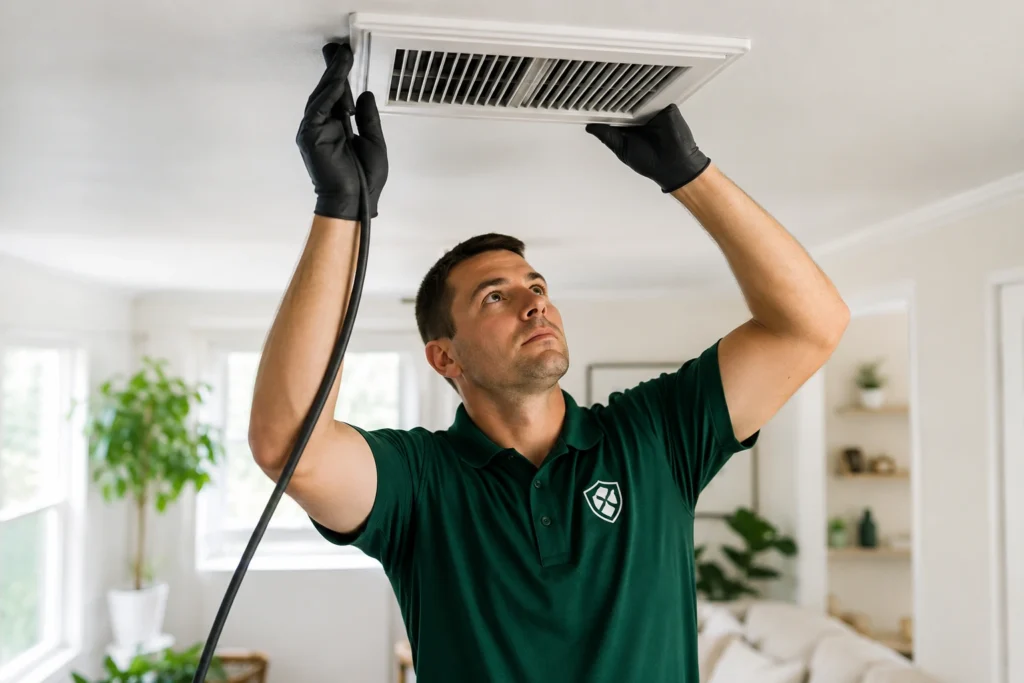
If you are seeing these signs, it helps to know what a proper cleaning involves. The EPA offers measured guidance on when duct cleaning makes sense, and our guide on what happens during a professional air duct cleaning shows the process. Learn more about our air duct cleaning.
1. Visible dust at the registers
Look at the supply and return vents. If you see a fuzzy buildup on the grilles or streaks of dust on the wall or ceiling around them, the system is moving more dust than it should. That dust is coming from somewhere, and ductwork is a common source.
2. Dust resettles quickly after you clean
If you dust on Saturday and the surfaces look hazy again by Monday, your ducts may be recirculating fine particles. Clean ducts will not stop dust entirely, but a noticeable, fast return is a clue that the system is part of the problem.
3. A musty or stale smell when the system runs
Turn on the heat or air conditioning and pay attention to the first rush of air. A musty, stale, or dusty odor that fades after a while often points to debris or moisture inside the ducts. In our humid climate, dampness in ductwork is worth taking seriously.
4. Allergy or breathing flare ups indoors
If sneezing, congestion, or irritated eyes seem worse at home than away, recirculating dust and pollen could be a factor. A air duct cleaning removes much of what the system carries, which helps reduce the load on sensitive households.
5. Uneven or weak airflow
Rooms that never quite warm up or cool down, or vents that seem to push less air than others, can signal buildup restricting the flow. Cleaning the ducts helps improve airflow so the system can do its job evenly.
6. After a renovation or a move
Remodeling work kicks up drywall dust and debris that settle deep in ductwork, and moving into a home means inheriting whatever the last residents left behind. Both are good moments to start fresh, even without other signs.
7. Signs of pests
Evidence of rodents or insects near vents, or a faint odor you cannot place, can mean something has gotten into the ducts. That is a clear reason to have the system cleaned and checked.
What to do next
One sign on its own is not an emergency, but two or three together usually mean it is time. Homeowners across Montgomery County, from Bethesda to Rockville, deal with the same humid summers and steady system use that move dust through ducts year after year. A professional cleaning clears that buildup, supports cleaner air, and helps improve airflow throughout the home. If you are also noticing longer dryer times, it can be worth looking at your dryer vent at the same time.
How to check your registers and returns
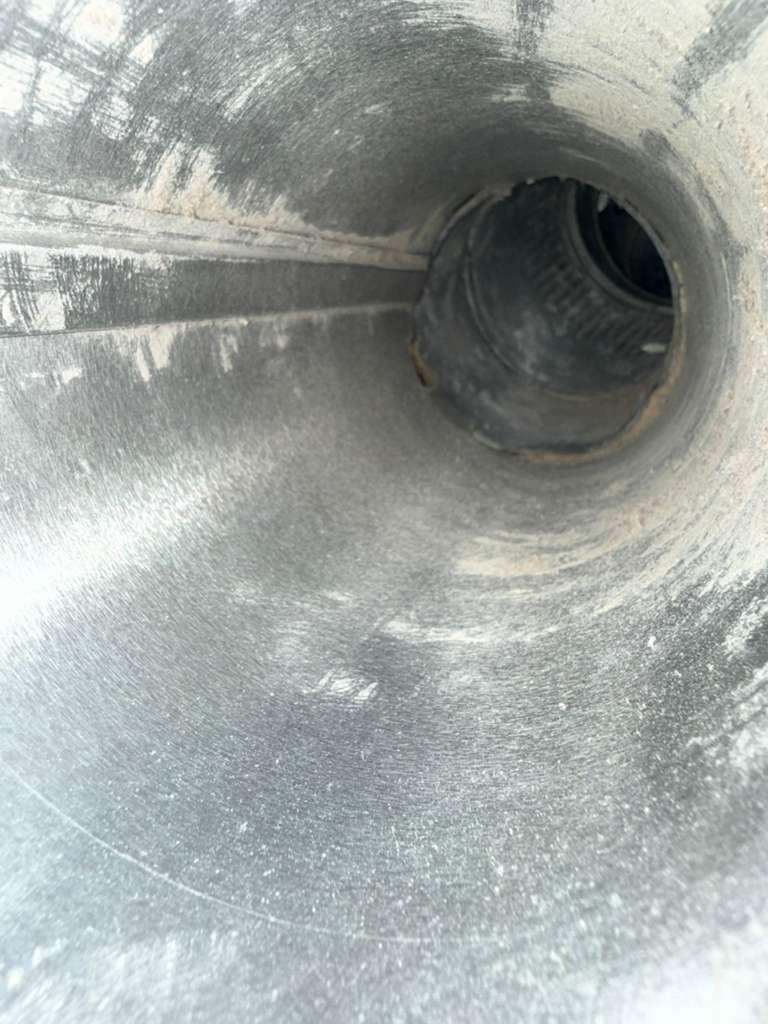
A two minute walk through tells you a lot. Remove a register cover and look just inside with a flashlight. A light film is normal, but thick, fuzzy buildup is a sign the ducts are carrying more than they should. Check the return grilles too, since they pull air and dust back toward the system and often show buildup first. Run a finger along the inside edge of a vent, and if it comes away heavy with dust, your ducts are due for a closer look.
What makes ducts get dirty faster
Several everyday factors speed up buildup. Pets add dander and fur, smoking indoors leaves residue, and open windows during pollen season pull fine particles into the home. Running the system constantly through a humid summer moves a great deal of air, and any dampness helps dust stick to duct walls. Knowing your own mix of these factors helps you judge how closely to watch.
What to expect from a cleaning visit
A professional air duct cleaning uses equipment that captures dust rather than scattering it, working through the supply and return ducts and the registers. The aim is to remove the buildup that circulates through your living space, which helps improve airflow and supports a cleaner feeling home. A tidy, well run visit leaves your rooms as clean as they were found, with the difference showing up in less dust and fresher air.
When to act
One sign alone is rarely cause for alarm, but two or three together usually mean it is time. Trust the pattern, since steady dust at the registers, quick resettling, a musty note when the system starts, and weak airflow all point the same direction. Acting then keeps small issues from becoming constant ones.
Common causes worth ruling out
Before assuming the worst, it helps to rule out simple explanations. A dirty furnace filter can mimic some duct problems, so check and replace it first. A closed or blocked register can cause uneven airflow in a single room, and furniture sitting over a vent can restrict the flow in one area. Once you have ruled out these easy fixes and the signs remain, dust at the registers, fast resettling, musty odors, or weak airflow across the home, the ducts themselves are the likely source. Working through the simple causes first saves time and tells you clearly when a professional cleaning is the right next step. Your home gives you steady feedback through its vents and surfaces, so when two or more signs line up and the easy fixes do not solve them, a cleaning restores cleaner, steadier airflow.