

If you dust on Monday and the surfaces are coated again by Wednesday, or your allergies flare indoors, it is fair to wonder whether your air ducts are part of the problem. Here is an honest look at what air duct cleaning can and cannot do for allergies and household dust.
What air duct cleaning actually does
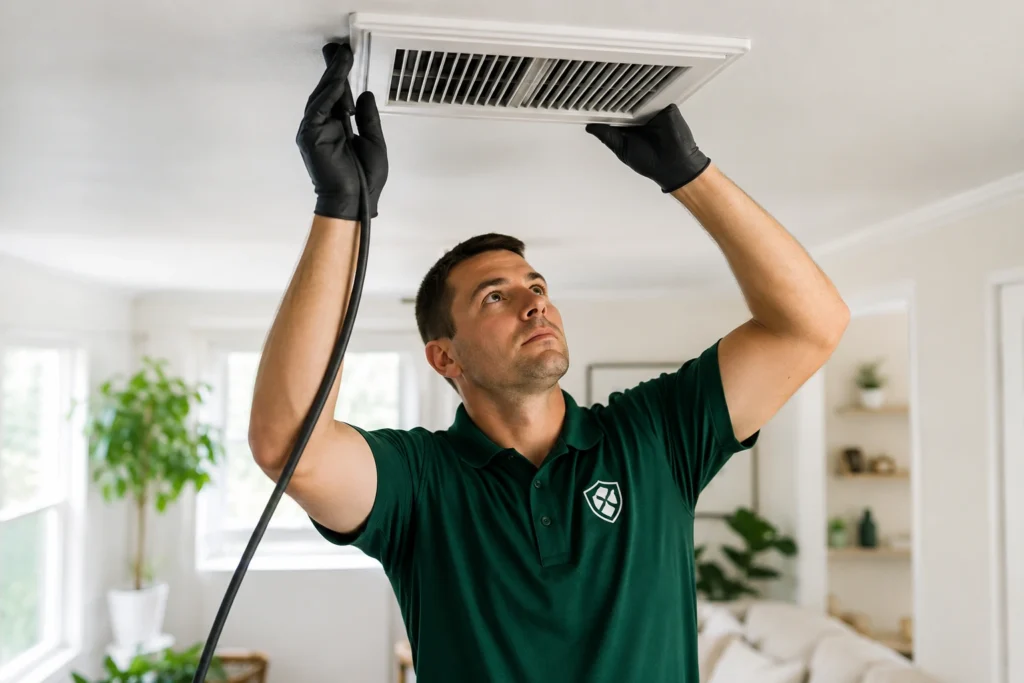
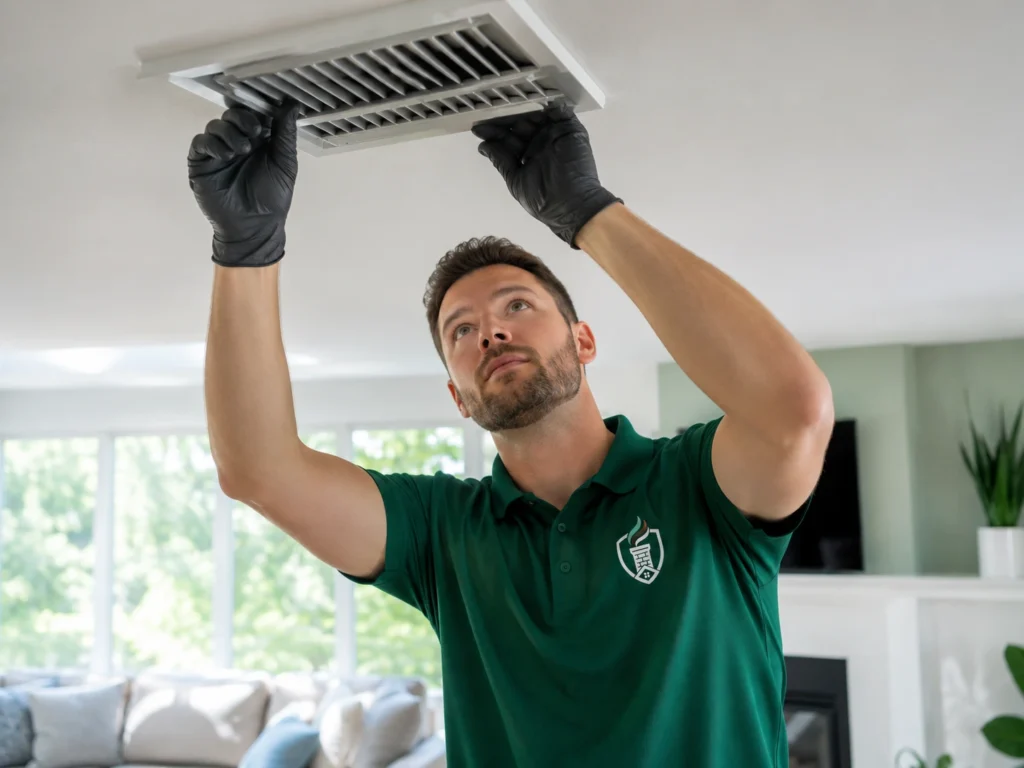
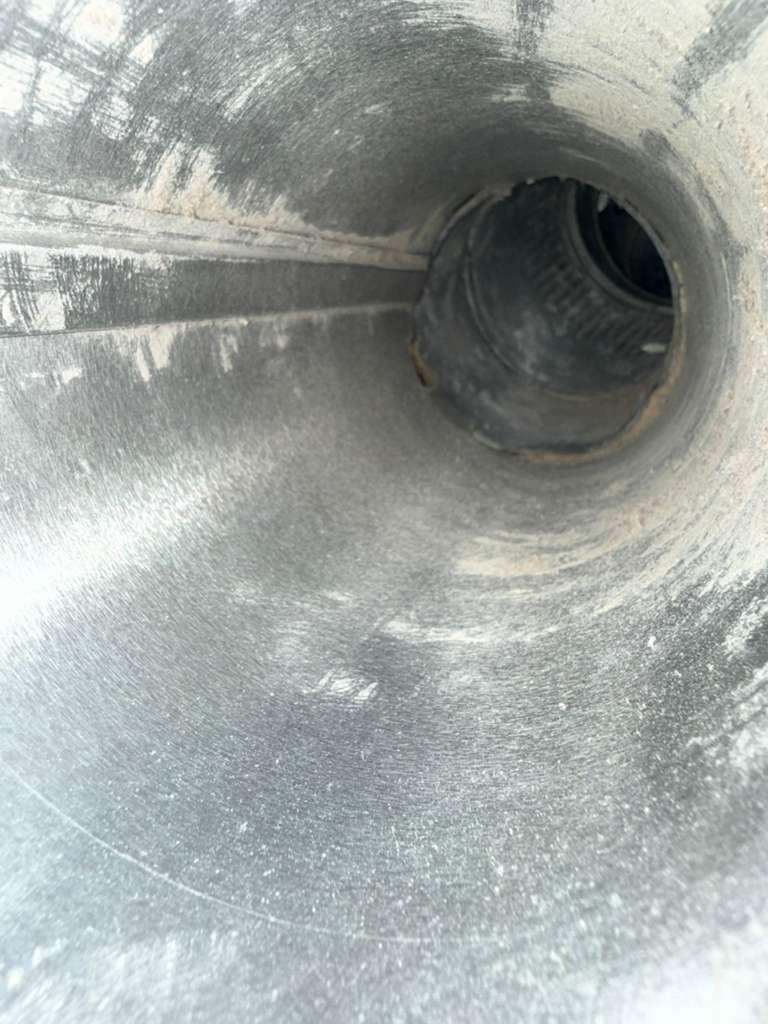
Air duct cleaning removes dust, pollen, pet dander, and debris from the supply vents, return vents, and accessible ductwork that circulate air through your HVAC system. Instead of treating the symptoms on your furniture, it clears buildup at the source, so there is less to push back into your rooms every time the system runs.
The link between ducts, dust, and allergens
Your HVAC system moves the same air through your home again and again. Over the years, ductwork collects a reservoir of fine dust and allergens. Each cycle can stir some of that back into the living space, which is why a home can feel dusty no matter how often you clean surfaces.
Can it help with allergies?
It can help reduce the dust and allergens moving through the system, which some households notice. It is not a cure for allergies, and it should be one part of a broader approach that includes good filtration and regular cleaning. The EPA guidance on air duct cleaning takes a measured view, noting that duct cleaning has clear value in specific situations rather than as a routine fix for everyone.
When duct cleaning makes the biggest difference
The EPA and industry experience point to a few situations where cleaning helps most:
- Visible dust or debris blowing from the vents.
- Signs of mold growth inside the ducts or on other HVAC parts.
- Evidence of vermin or insect infestation.
- After a renovation or construction that sent fine dust into the system.
- Homes with multiple pets that shed heavily.
Filtration works alongside clean ducts
Clean ductwork and a good air filter do different jobs, and they work best together. The filter catches particles as air passes through the system, while clean ducts mean there is less sitting in the system to circulate in the first place. Checking your filter regularly and replacing it on schedule keeps a freshly cleaned system cleaner for longer. If anyone in the home has allergies, a higher efficiency filter rated for finer particles can help, as long as it is compatible with your equipment.
What it will not fix
Duct cleaning will not solve every air quality issue. If the source of dust or allergens is elsewhere, such as poor filtration, humidity, or outdoor pollen coming through open windows, cleaning the ducts alone will not stop it. It also will not permanently change your air if the underlying habits stay the same. A good provider will tell you honestly whether it is likely to help your home rather than selling it as a cure all.
Signs your ducts may be adding to indoor dust
Look for visible dust around the vent covers, a musty smell when the system runs, uneven dust from room to room, or a noticeable film returning quickly after cleaning. These point to ductwork worth assessing.
Renovations and new homes
Construction is one of the clearest reasons to clean ducts. Sanding, cutting, and demolition send fine drywall dust and debris throughout a home, and much of it settles in the ductwork where it keeps circulating long after the work is done. If you have recently finished a renovation, or moved into a home where you do not know the history of the system, a cleaning gives you a fresh, known starting point for the air you breathe.
How professional cleaning removes the source
Professional air duct cleaning uses mechanical agitation to loosen buildup inside the ducts and HEPA filtered extraction to capture it, so the debris leaves the home rather than resettling. Pairing it with attention to indoor air quality gives you a fuller picture of what is circulating in your home, and helps you decide which steps will make the most difference.
Maryland seasons and indoor air
The Mid Atlantic gives homes a heavy pollen season in spring, humid summers, and long stretches of closed up heating and cooling. All of that adds to what accumulates in ductwork over the year. Homes across Montgomery and Prince George’s County, including Hyattsville, tend to see this pattern season after season. For broader context, the EPA indoor air quality resources page is a useful starting point.