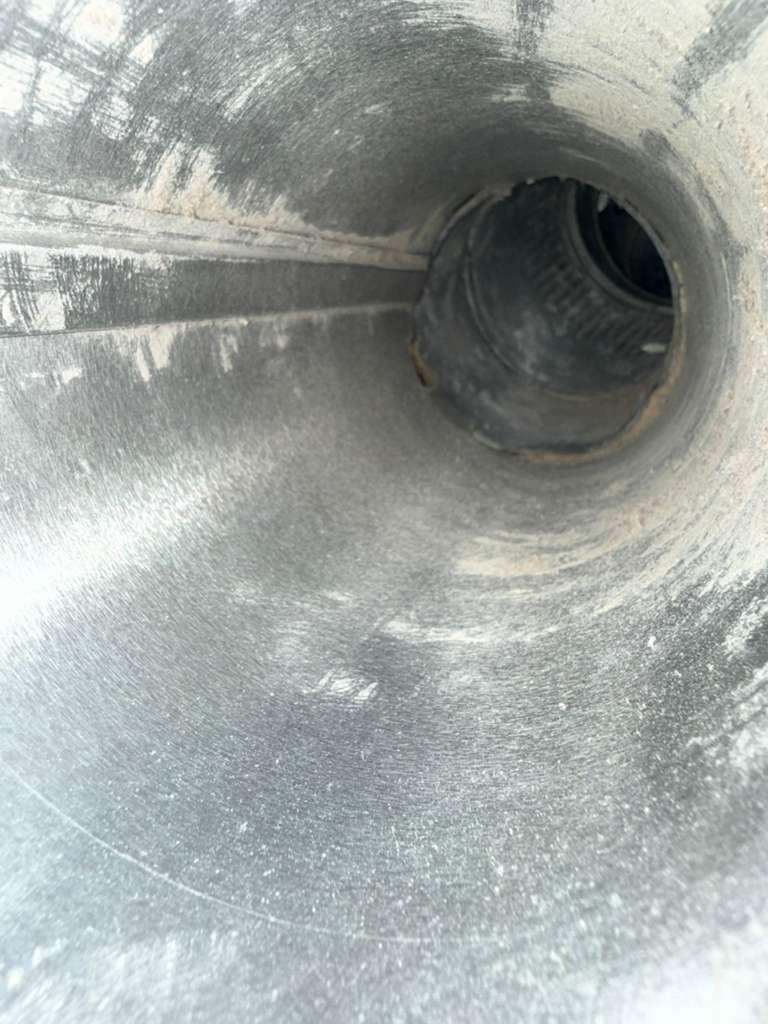

Carbon monoxide has no color, no smell, and no taste, which is the entire reason it is dangerous. Any appliance that burns fuel produces some, and the job of a chimney or vent is to carry it outside. When that path is compromised, the gas has nowhere to go but into the house. Here is what homeowners should understand about the connection.
Where carbon monoxide comes from
Incomplete combustion of any fuel produces it. In a typical home that means the furnace, water heater, wood or gas fireplace, gas range, and any space heater. None of these are hazardous when they are working correctly and venting properly. The risk comes from the venting, not the appliance alone. The EPA information on carbon monoxide and indoor air explains how it affects indoor air.
How a chimney fits in
A chimney is a venting system, not a decorative feature. It relies on a clear, intact passage and on adequate draft to move combustion gases up and out. Two things break that: obstruction and deterioration. Both are invisible from the living room.
Blockage
Nesting material, accumulated creosote, fallen debris, or a packed cap all narrow the flue. A restricted flue can spill combustion byproducts back into the room instead of venting them. We cover the warning signals in detail in our guide to blockages, and clearing them is the work behind animal nest and debris removal and a thorough chimney cleaning.
Deterioration of the flue
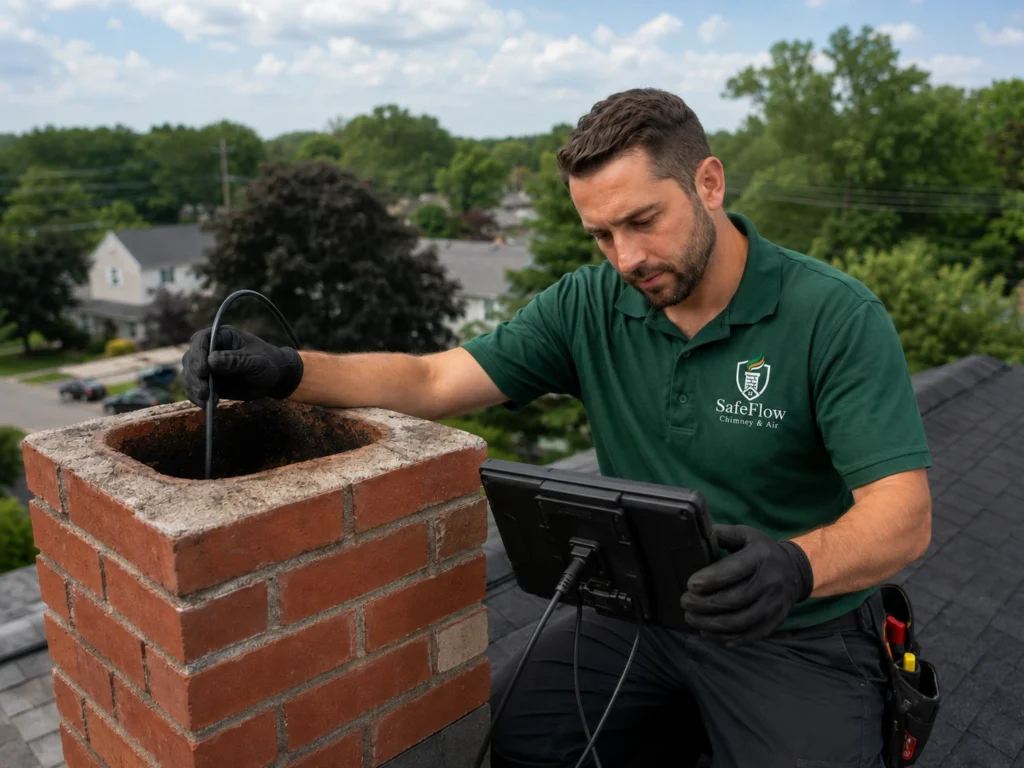
Older masonry flues with clay tile liners develop cracks and open joints with age. Gaps in a liner can allow gases to escape into concealed spaces rather than continue up the flue. This is not something a homeowner can assess from the hearth, and it is the reason camera-assisted inspection exists. Any actual repair of a damaged liner is separate work for a qualified specialist.
Negative pressure and backdrafting
Tightly sealed homes with powerful exhaust fans can develop enough negative pressure to reverse the flow in a vent. When the house pulls harder than the chimney draws, combustion gases come back down. This is more common in newer, well-sealed construction than many people expect.
The physical warning signs
- Headaches, dizziness, nausea, or fatigue that improve when you leave the house and return when you come back.
- Symptoms affecting more than one person, and sometimes pets, at the same time.
- Symptoms that appear when the heating system is running.
That pattern, improving away from home and returning on arrival, is the detail worth remembering.
Signs around the appliance
- Soot or staining around a fireplace, furnace, or water heater.
- A gas flame burning yellow or orange rather than crisp blue.
- Excess moisture on windows near a fuel-burning appliance.
- A pilot light that repeatedly goes out.
- Smoke lingering in the room when a fire is lit.
Alarms are not optional
A carbon monoxide alarm is the only reliable way to detect the gas, since human senses cannot. The U.S. Consumer Product Safety Commission carbon monoxide center provides current placement and maintenance guidance, including having alarms outside sleeping areas and on every level of the home. Test them on a schedule and replace them according to the manufacturer instructions, since detectors have a finite service life.
If an alarm sounds
Get everyone out of the house, including pets, and call emergency services from outside. Do not spend time hunting for the source, and do not re-enter to open windows. Only return when responders confirm it is safe. This is the one situation where the correct response is to leave first and diagnose second.
What prevention actually looks like
- Annual inspection of the chimney and venting before the heating season.
- Cleaning that keeps the flue clear rather than gradually narrowing.
- Working alarms on every level and outside sleeping areas.
- Never burning charcoal indoors or running an engine in an attached garage.
- Attention to any appliance that has started behaving differently.
The U.S. Fire Administration heating safety guidance and the EPA advice on protecting indoor air quality at home both reinforce the same basic point about maintained, unobstructed venting.
Where an inspection helps
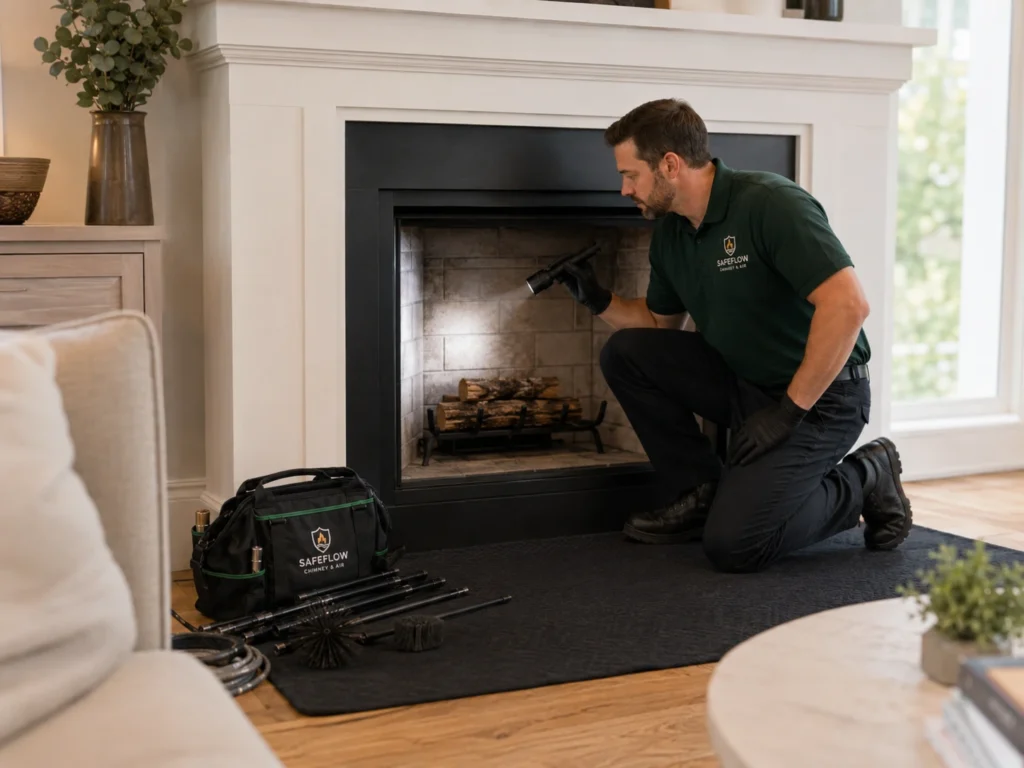
Most of what determines whether a flue vents properly is out of sight. A camera-assisted chimney inspection documents the interior condition along its length, and chimney maintenance keeps that condition from drifting between visits. If your system has not been looked at in years, contact us and put it on the calendar before the heating season, not during it.