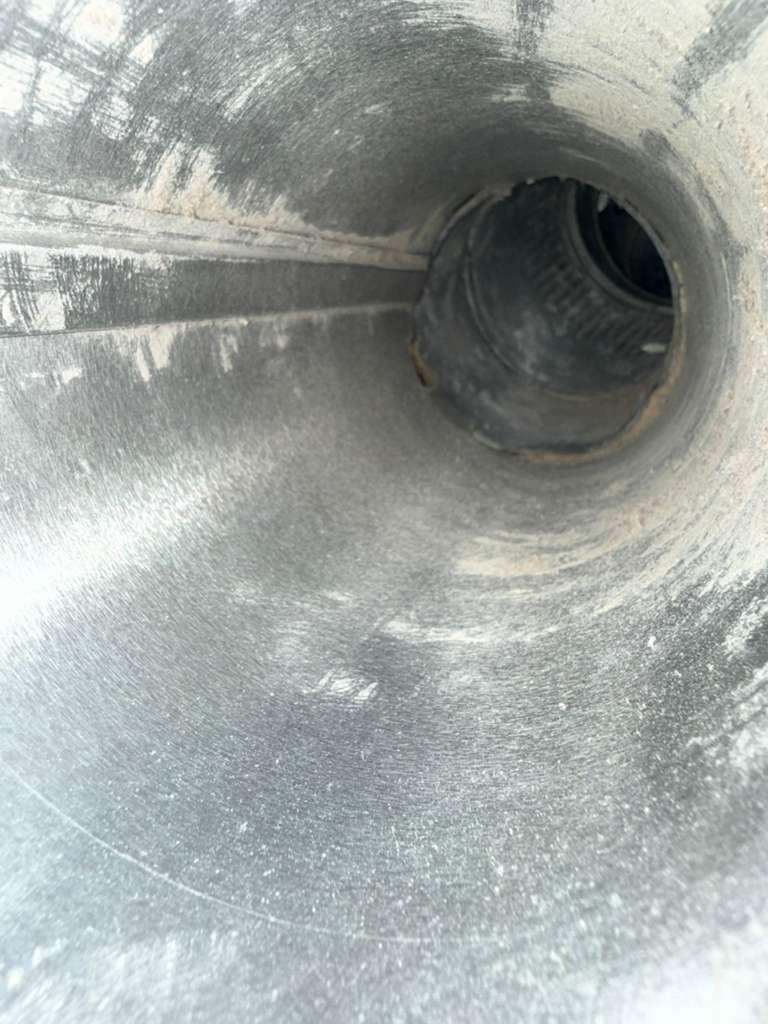

Booking a service is easier when you know what to expect. If you have never had your ducts cleaned, here is what a professional air duct cleaning visit actually involves, from the first assessment to the final check.
Before the appointment
There is little you need to do in advance beyond clearing access to the vents and the HVAC unit. A good technician will walk you through the plan when they arrive, so you understand the scope before any work begins.
Why the process matters
Air duct cleaning has a mixed reputation, and most of that comes down to how it is done. A rushed operator who runs a shop vacuum over the vent openings has not really cleaned your system, and that is the kind of work that leaves people wondering whether it was worth it. A proper cleaning follows a clear sequence, reaches the buildup inside the ducts, and removes it from the home. Knowing the steps helps you tell the difference and ask the right questions.
Step 1: Inspection and assessment
The visit starts with a look at your system: the supply and return vents, the accessible ductwork, and the general condition inside. This confirms what needs attention and whether cleaning is likely to make a real difference, which the EPA guidance on air duct cleaning encourages homeowners to weigh before booking.
Step 2: Protecting your home
Before cleaning, the crew protects the work area, laying coverings where needed so the process stays contained. The goal is to remove buildup from the ducts without spreading it into your living space.
Step 3: Mechanical agitation
The core of the job is loosening the buildup. Using brushes and compressed air tools, the technician agitates the dust, pollen, and debris that have settled along the duct walls so they can be captured rather than left behind.
Step 4: HEPA extraction
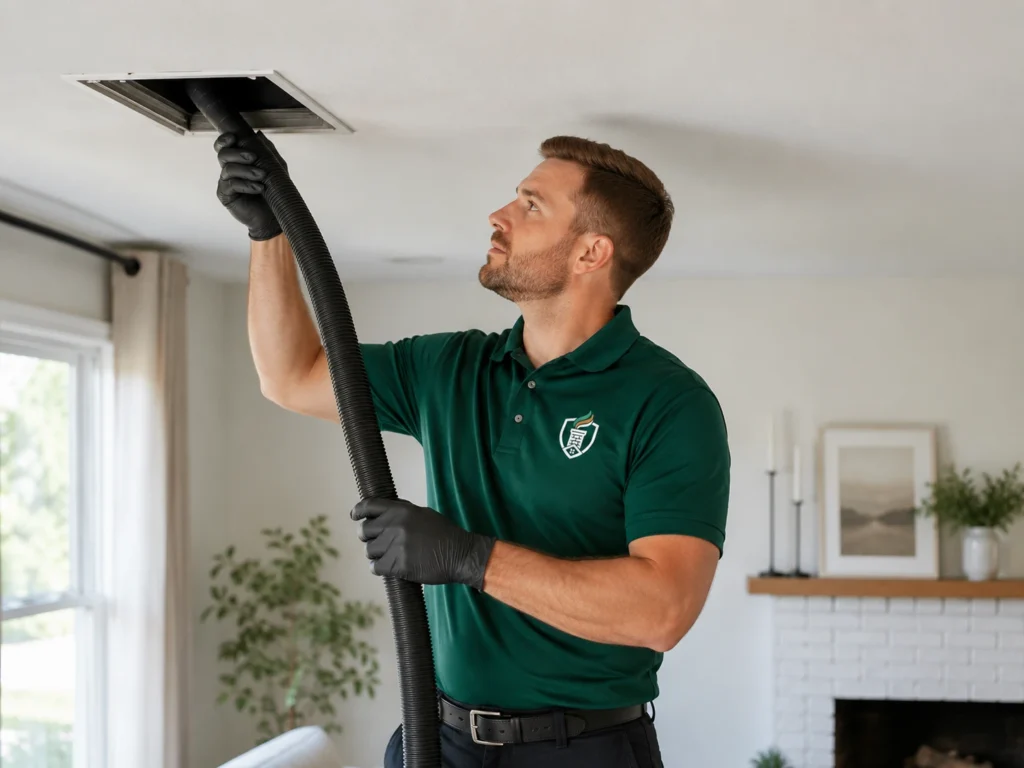
As the buildup is loosened, a HEPA filtered extraction system pulls it out under negative pressure. This is what carries the debris out of the home instead of letting it resettle, and it is the difference between a surface tidy up and a real cleaning.
Step 5: Vents and registers
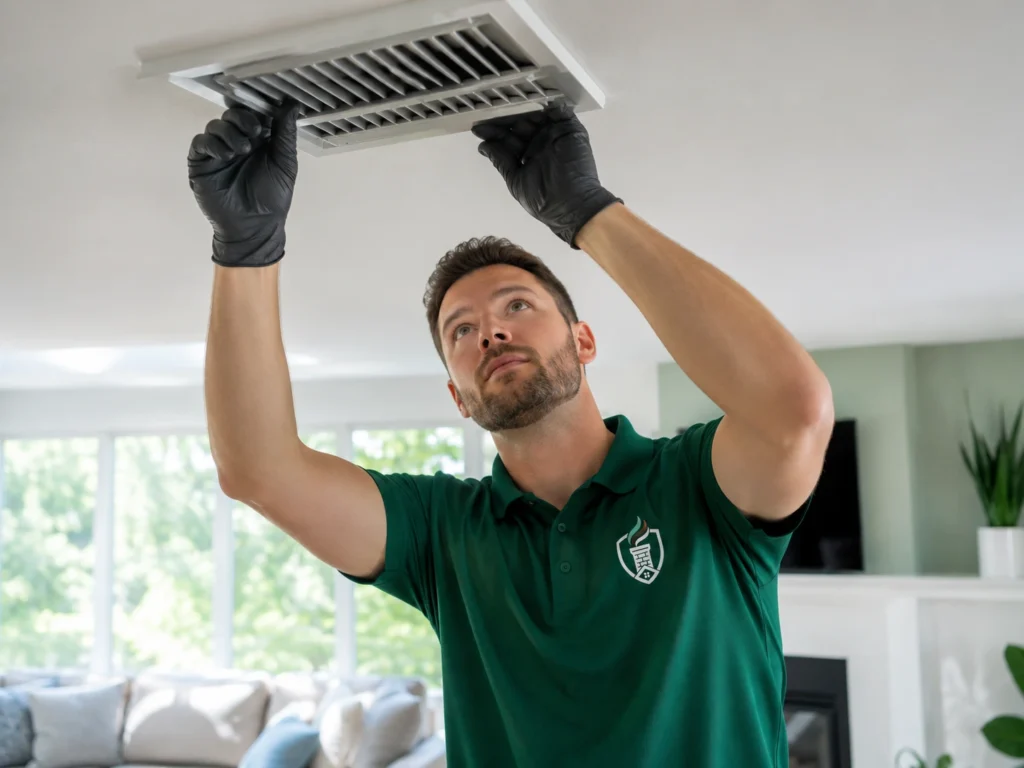
The vent covers and registers, the parts you see every day, are cleaned as part of the process, since they collect their own layer of dust and are often the first place a homeowner notices buildup.
Step 6: Final check
The technician does a final review to confirm the accessible ductwork and vents are clear, and explains what was found. If anything outside the scope of cleaning turns up, such as a mechanical issue with the HVAC unit, it is noted so you can follow up with the right professional.
Do all the vents get cleaned?
A thorough job reaches both the supply side, which delivers conditioned air to your rooms, and the return side, which pulls air back to the system. Both collect buildup, and cleaning only one leaves half the loop untouched. When you book a cleaning, it is worth confirming that the accessible ductwork on both sides is included, along with the registers and vent covers, so the whole circulating system is addressed rather than just the parts you can see.
How long it takes
Timing depends on the size of the home, the number of vents, and how much buildup is present. A larger home with many runs takes longer than a compact one. The technician can give you a realistic estimate once they have seen the system, and rushing the job defeats the purpose, since the value is in reaching the buildup rather than simply passing a tool over the openings.
What it does not include
Air duct cleaning clears buildup from the ducts and vents. It is not HVAC repair or duct installation and replacement. If the system needs mechanical work, that is handled by an HVAC contractor. Pairing duct cleaning with attention to indoor air quality gives you the fuller picture. Homeowners across Montgomery and Prince George’s County, including College Park, book this service as routine maintenance rather than a one time fix.