


If you burn wood, you have heard the word creosote, usually attached to a warning. It is the single biggest reason chimneys need regular cleaning. Here is what creosote actually is, why it matters, and how to keep it from becoming a hazard in your home.
What is creosote?
Creosote is the dark, flammable residue that wood smoke leaves behind on the inside of a chimney. As smoke rises and cools, unburned particles, tar, and condensed vapors stick to the flue walls. Over a season of fires, thin films turn into thick layers. Because creosote burns readily, a heavy coating inside a flue is fuel waiting for a spark.
The three stages of creosote
Chimney professionals describe creosote in three degrees, and knowing them helps you understand why removal gets harder the longer it is left:
- Stage 1: a light, flaky soot that a brush clears easily. This is what regular cleaning is meant to catch.
- Stage 2: harder, crunchy flakes with a tar like quality that take more effort to remove.
- Stage 3: a thick, shiny, hardened glaze that is highly flammable and difficult to remove. This stage is the most dangerous.
Why creosote is dangerous
The main risk is a chimney fire. When a flue is coated in creosote and temperatures climb, that residue can ignite and burn intensely inside the chimney. Beyond fire, heavy buildup narrows the flue, which weakens the draft and can push smoke back into the room. The U.S. Fire Administration identifies failure to keep heating systems clean as a leading factor in home heating fires.
What makes creosote build up faster
Several habits speed up buildup:
- Burning unseasoned or wet wood, which produces more smoke and moisture.
- Slow, smoldering fires that never get hot enough to burn cleanly.
- A cool flue that lets smoke condense quickly on the walls.
- Restricted air supply from a closed damper or blocked chimney.
Seasoned wood is the biggest lever you control
Of everything on that list, the wood you burn matters most. Freshly cut wood can hold a great deal of moisture, and burning it wastes energy boiling off water while producing thick, dirty smoke. Properly seasoned firewood has been split and dried for six months to a year, and it burns hotter and cleaner. A simple moisture meter, or just choosing wood that is light, cracked at the ends, and sounds hollow when knocked together, makes a real difference in how fast creosote returns.
Signs you may have creosote buildup
Watch for a strong smoky or tarry smell, a fireplace that drafts poorly, dark flakes falling into the firebox, or a visibly black, shiny coating on the flue. You might also notice more smoke than usual entering the room when you open the damper, or a fire that is hard to get going and keep going. Any of these is a reason to schedule a check rather than a diagnosis on its own.
How a chimney sweep removes it
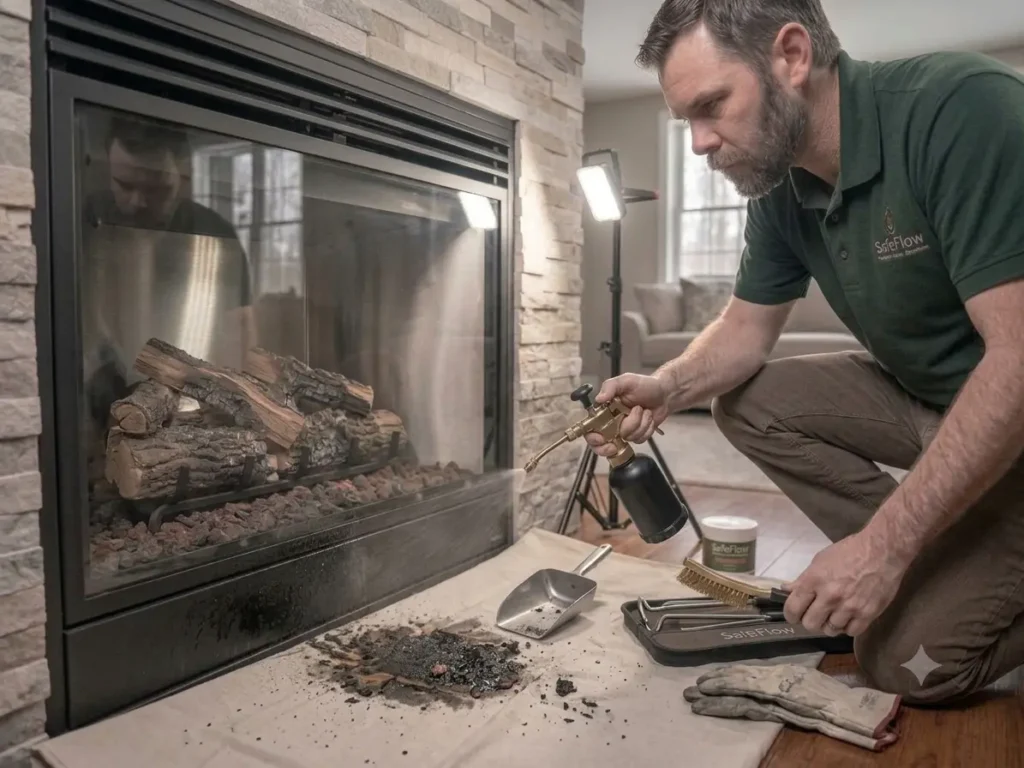
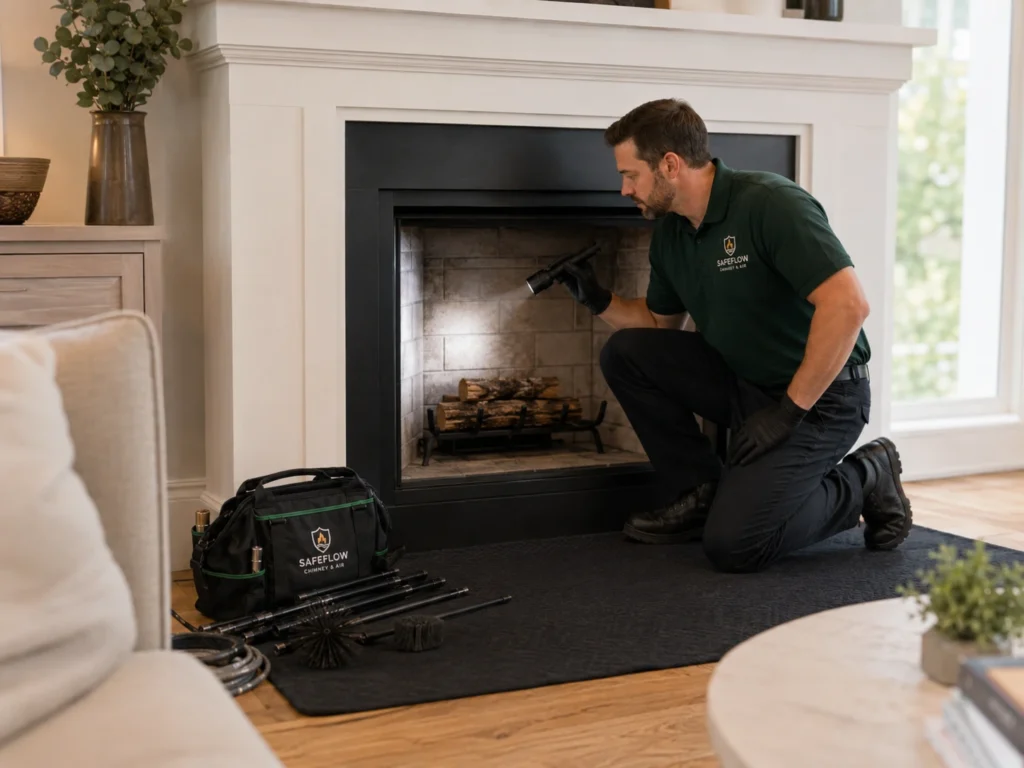
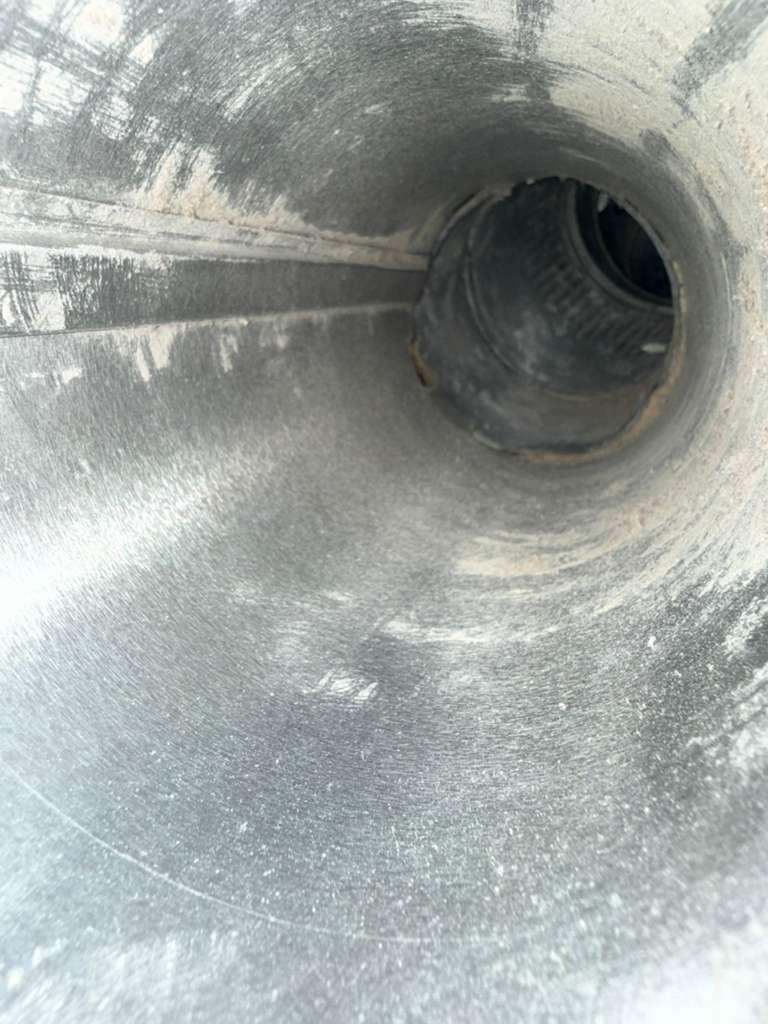
A professional chimney cleaning uses rotary brushing to loosen creosote from the accessible flue surfaces, then HEPA filtered extraction to pull the debris out cleanly. A chimney inspection before or after the sweep confirms how much has accumulated and whether the flue is clear. Cleaning covers accessible surfaces; it does not include masonry or liner repair.
How to prevent creosote buildup
You cannot stop creosote entirely, but you can slow it down:
- Burn only seasoned, dry hardwood with a low moisture content.
- Build hotter, brighter fires instead of slow smolders.
- Give the fire enough air and keep the damper fully open while burning.
- Schedule a yearly inspection and a cleaning whenever buildup is present.
Why Maryland homes see steady buildup
The humid Mid Atlantic climate works against a clean flue. Damp air and cold, wet winters push moisture into masonry and encourage condensation, while a full heating season adds layer after layer. Older homes in communities like Silver Spring and College Park often have aging clay liners that give creosote even more to cling to.
Creosote and your chimney liner
Creosote is especially fond of a rough surface. Older masonry chimneys with clay flue tiles develop small cracks and pits as they age, and creosote settles into every one of them. That is why homes built decades ago tend to need more attentive care than newer ones, and why an inspection matters as much as the cleaning itself. Confirming the liner is sound is part of keeping the whole system safe, though the repair of any damaged liner is a separate job for a qualified specialist.
When to call a professional
If you burn wood regularly, an annual visit before the heating season is the safe habit. If you notice a tarry smell, poor draft, or a shiny black coating, have it checked sooner. Catching creosote at Stage 1 is far easier and safer than dealing with a hardened glaze later, and a yearly cleaning keeps the buildup from ever reaching the dangerous stages in the first place.