


A clogged dryer vent is usually thought of as an efficiency problem, but the bigger reason to keep it clear is safety. Lint is one of the most flammable materials in the average home, and it collects exactly where heat builds. Here is how regular cleaning lowers that risk.
Why dryer vents catch fire
A dryer combines three ingredients for a fire: heat, airflow, and fuel. The fuel is lint, which is highly flammable. When lint packs into the exhaust line, it restricts airflow, heat backs up, and that trapped, combustible material sits close to a heat source. The U.S. Fire Administration identifies failure to clean dryers as the leading factor in home dryer fires.
How buildup happens over time
The lint screen catches a portion of the lint from each load, but fine fibers slip past and travel into the vent line. There they settle, snag on joints and bends, and accumulate. What starts as a light coating becomes a dense plug over months and years, especially in homes that run the dryer often.
Warning signs of a dangerous buildup
Pay attention if you notice:
- A dryer that is hot to the touch after a cycle.
- Clothes that come out hotter than usual, or still damp.
- A burning smell when the dryer runs.
- Lint gathering around the exterior vent opening.
- Little or no air coming from the outside vent flap.
Where lint collects the most
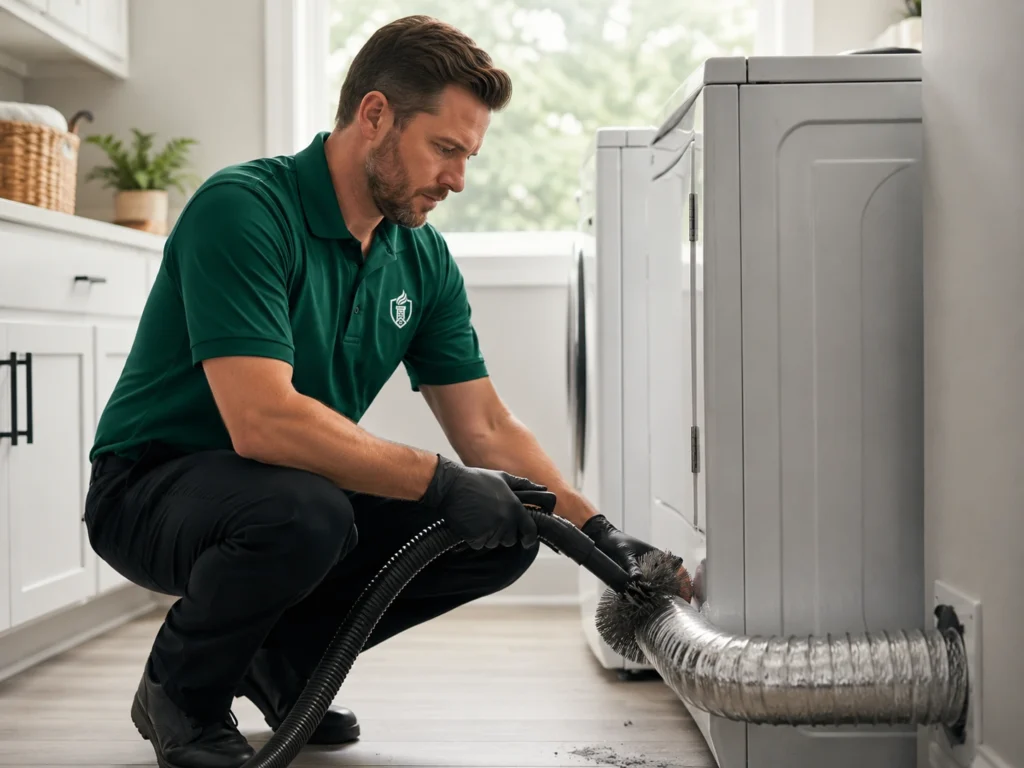
Lint does not spread evenly through a vent. It gathers at the transition behind the dryer, at every bend in the line, at the exterior vent flap, and anywhere the hose sags or narrows. Longer runs and ridged flexible hoses give it far more places to catch. That is why clearing the visible opening is not enough on its own; the buildup deeper in the line is exactly where a professional cleaning does its most important work.
How cleaning reduces the risk
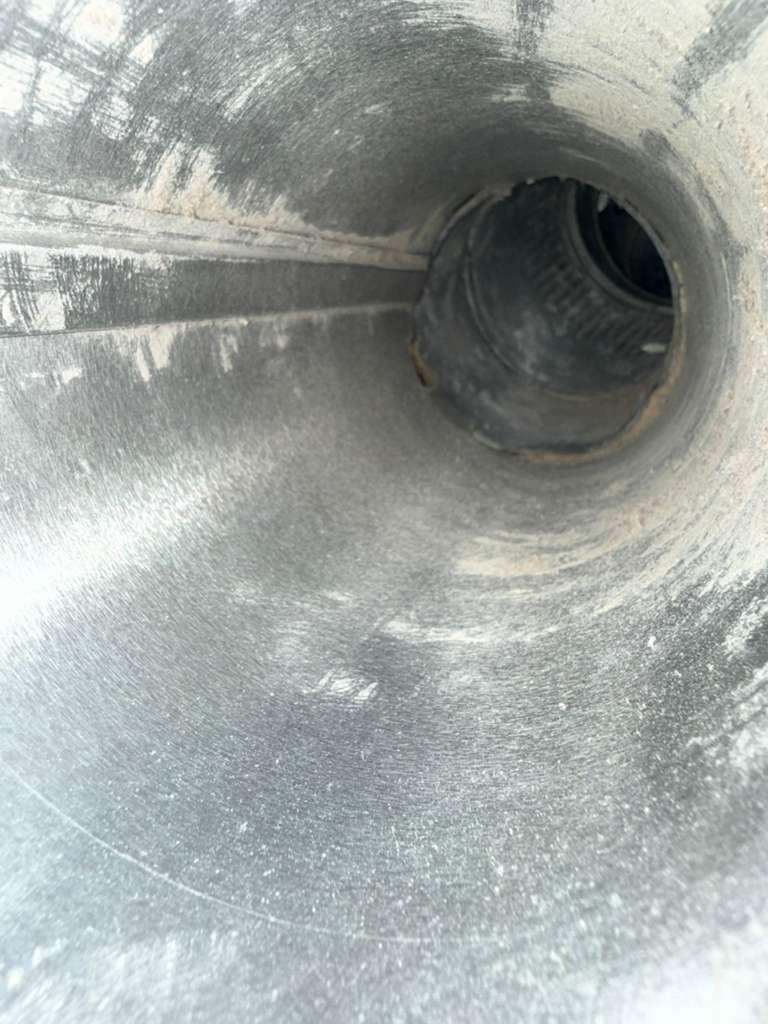
A professional dryer vent cleaning removes the lint from the full exhaust line, not just the opening. Clearing it restores airflow so heat and moisture escape the way they should, which removes the fuel and lets the dryer run cooler. That combination is what lowers the fire risk, and it is why regular cleaning is treated as basic home safety rather than an optional extra.
The vent line itself matters
How a vent is built affects how quickly it clogs and how safely it runs. Long runs, sharp bends, and ridged flexible hoses give lint more places to catch and settle, while a shorter, smoother path lets air and lint move out more freely. You cannot always change where your laundry room sits, but knowing your vent has a long or winding run is a good reason to clean it more often and to keep an eye on the warning signs between visits.
Simple habits between cleanings
Between professional visits, a few habits help:
- Clear the lint screen before or after every load.
- Do not run the dryer while you are asleep or away from home.
- Keep the area around the dryer free of clutter and lint.
- Check that the exterior vent flap opens freely when the dryer runs.
How often to schedule
Once a year is a sensible baseline for most homes, and more often for large households or homes with long vent runs. Our guide on how often to clean a dryer vent can help you judge the right interval.
Rentals and multi occupant homes
Where dryers run heavily, such as rentals and multi occupant properties, lint builds faster and the fire risk climbs with it. Property managers and landlords across Montgomery and Prince George’s County, including Hyattsville, often set up routine dryer vent cleaning across several units to stay ahead of it.
What we do and do not do
SafeFlow clears the dryer vent line and confirms airflow is restored. If the vent line itself is damaged or improperly installed, that is a repair or installation job for the right trade, and we will point you in that direction rather than leave a safety concern unaddressed.