

A faint campfire smell in the living room when nothing is burning is one of the more common complaints homeowners bring to us, and it is almost always the chimney. The good news is that the cause is usually identifiable. The less good news is that air freshener will not touch it, because the smell is being generated inside the flue and delivered into the room by airflow.
The most common cause: creosote residue
Creosote is the tarry deposit wood smoke leaves on flue walls, and it has a strong, acrid, smoky odor of its own. The more of it there is, the stronger the smell. This is why the odor often appears gradually over a season or two rather than suddenly. Our guide to what creosote is and how to prevent it covers how it forms and why it gets harder to remove over time.
Why it gets worse in summer
Two things happen in warm months. Humidity rises, and moisture reacts with creosote deposits to release far more odor. At the same time the draft reverses: with the house cooler inside than out, air flows down the chimney instead of up, carrying that smell directly into the room. That is why a chimney that seemed fine all winter becomes noticeable in July.
Negative pressure in the house
Modern homes are sealed tightly, and exhaust fans, range hoods, dryers, and HVAC systems all pull air out. That air has to be replaced from somewhere, and an open flue is the path of least resistance. If the smell arrives when the bathroom fan or the kitchen hood is running, negative pressure is a strong suspect.
Water getting in
Rain entering an uncapped or poorly capped flue soaks the deposits inside and amplifies the odor sharply. A missing cap also lets in debris and animals. Keeping the cap clear is part of routine chimney cap cleaning, and a damaged cap is worth having a qualified specialist address.
Animals and nesting material
Birds, squirrels, and raccoons regularly get into uncapped flues. Nesting material, droppings, and sometimes an animal that could not get back out produce a very different smell, more musty or rotting than smoky. That situation calls for animal nest and debris removal rather than deodorizing.
A damper that no longer seals
A damper that will not close fully, or one warped with age, leaves the flue effectively open year round. That alone can be enough to make a mild odor constant instead of occasional. Older dampers often close most of the way and feel shut without actually sealing, so the fact that the handle moves is not proof the flue is closed. It is worth checking by feel for air movement at the opening on a still day.
An unlined or aging flue
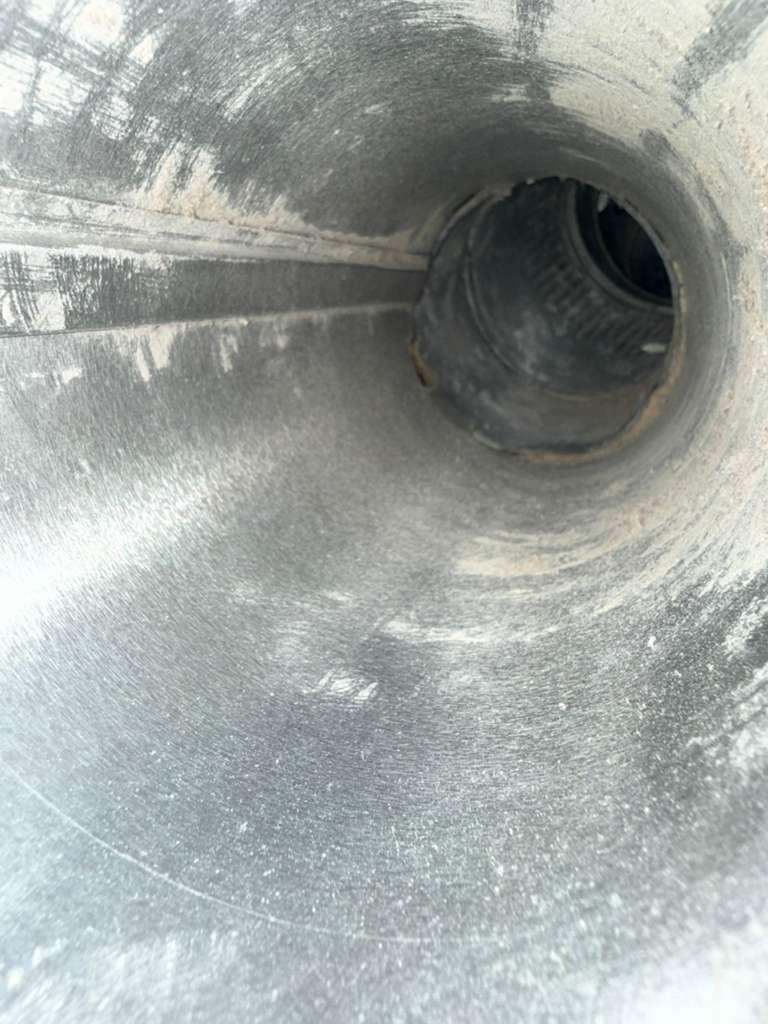
Porous masonry and clay tile absorb odor over decades of use, and a flue with open joints can let smells into the surrounding structure rather than keeping them contained in the passage. This is more common in older housing around Rockville and Hyattsville, and it is one of the things a camera inspection can actually show you rather than leaving you to guess. Repair of a damaged liner is separate work for a qualified specialist, but knowing the condition is the starting point.
Old soot and ash in the firebox
Ash left sitting in the firebox holds moisture and odor, and it is the easiest contributor to eliminate. Clearing it is standard in soot and ash removal, and it is worth doing at the end of every heating season rather than leaving it through the summer.
What does not work
- Air fresheners and candles, which mask the odor for an hour.
- Cleaning products applied at the firebox, which never reach the source.
- Closing the damper alone, if the damper does not seal.
- Waiting for winter, which hides the problem rather than removing it.
What actually works
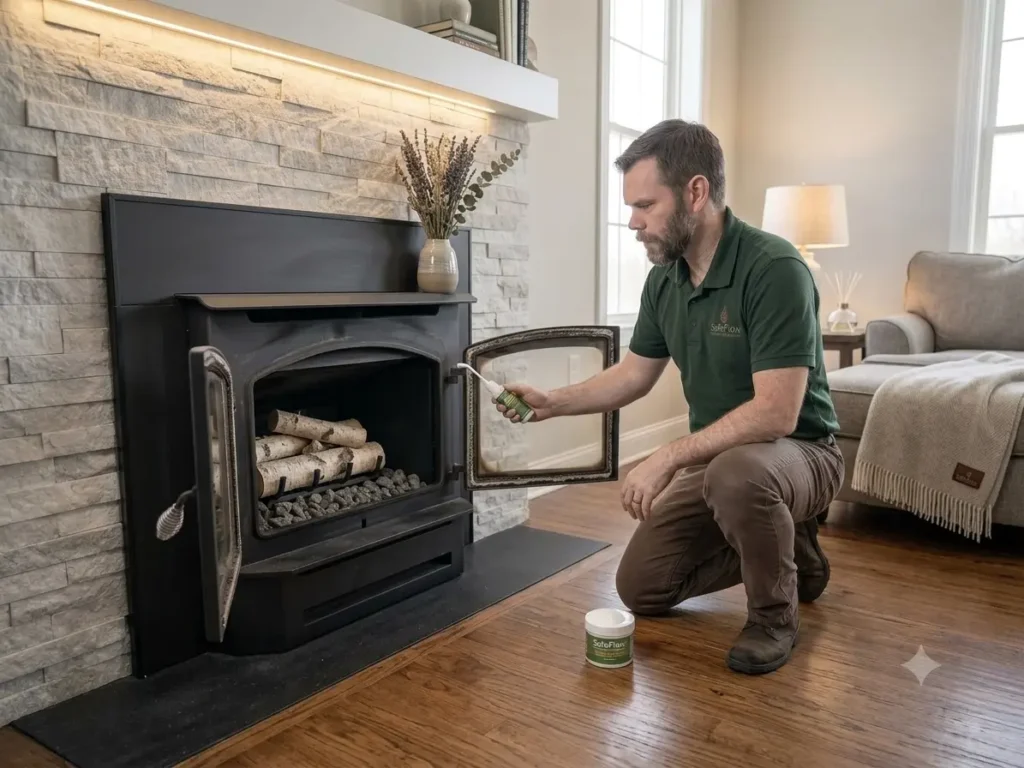
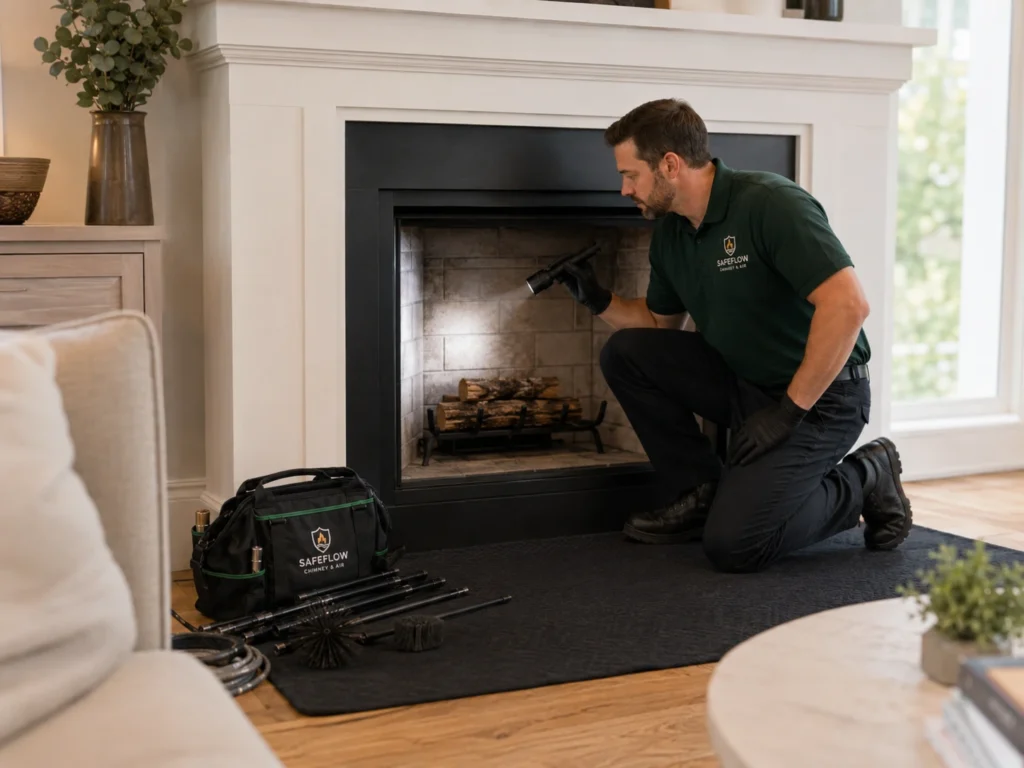
Remove the source and then control the airflow. That means a thorough chimney cleaning to take the deposits off the flue walls, clearing ash and debris, and confirming the cap and damper are doing their jobs. Where odor persists after cleaning, targeted chimney odor removal addresses what remains. An chimney inspection is what tells you which of the causes above is actually yours, rather than guessing.
When the smell is a warning
A smoky odor is usually a nuisance. Smoke actively entering the room while a fire is burning is not. Poor draft can mean a blockage or a flue problem, and it belongs in the same category as any combustion concern. The U.S. Fire Administration heating safety guidance is clear about keeping heating systems and their venting clean and unobstructed.
Getting it diagnosed
The pattern of the smell is genuinely useful information, so note when it is strongest: humid days, after rain, when an exhaust fan runs, or all the time. contact us with that detail and it usually points to the cause before anyone is on a roof.